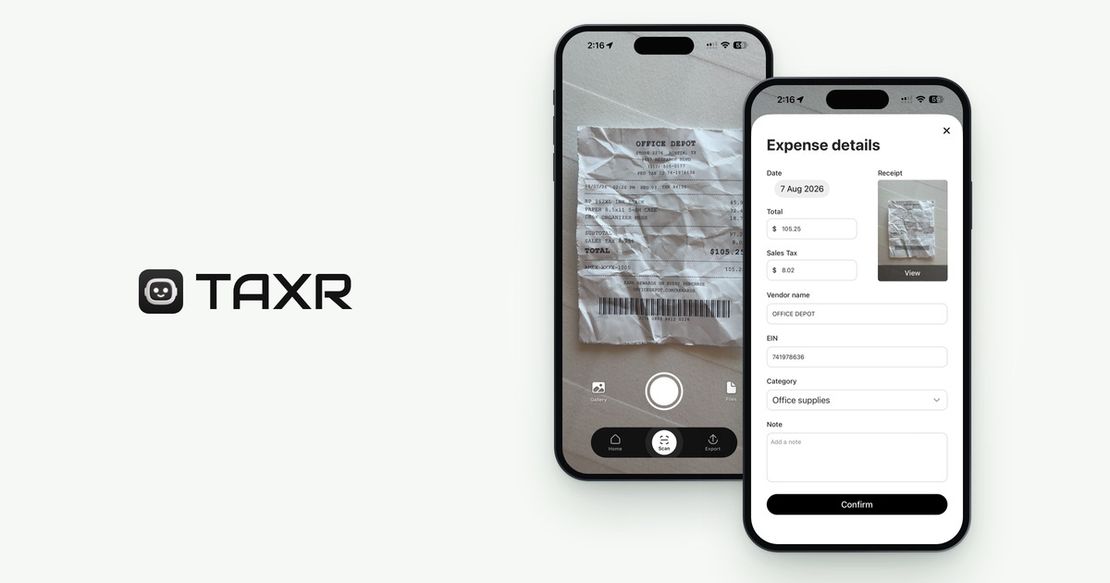
Tax Deductions for Cleaners and Handymen: A 1099 Guide
In short: US cleaners and handymen paid on a 1099 can deduct cleaning supplies, tools and equipment, business insurance and bonding, and miles driven between jobs at the IRS rate of 72.5 cents per mile through June 30, 2026 and 76 cents per mile from July 1. The drive from home to the first job of the day usually counts as a commute and isn't deductible.
Read MoreTax Deductions for Consultants and Freelancers: A 1099 Guide
In short: US consultants and freelancers paid on a 1099 can deduct a home office ($5 per square foot up to 300 square feet, a maximum of $1,500 a year, under the simplified method), software subscriptions, subcontractors, professional liability insurance and, generally, 50% of business meals. Everyday business attire, the regular commute to a fixed client site and pure entertainment generally don't qualify.
Read MoreTax Deductions for Content Creators: A 1099 Guide
In short: US content creators paid on a 1099 can deduct cameras, lighting and microphones, editing software, props bought only for content, and a home studio used regularly and exclusively for filming, streaming or editing. Gear a brand sends you for free is taxable income at its fair market value, and everyday clothing doesn't become deductible just because it appears on screen.
Read MoreTax Deductions for Couriers and Gig Workers Running Multiple Apps
In short: US couriers and gig workers running several apps report all their income and expenses on one Schedule C, with one combined vehicle or bike total across every app. Deductible costs include the business share of a phone and data plan, insulated bags, and parking and tolls while working. Self-employment tax applies once combined net earnings reach $400, even if no 1099 arrives.
Read MoreTax Deductions for Etsy Sellers: A 1099 Guide
In short: US Etsy sellers who run their shop as a business can deduct Etsy's fees, shipping supplies and postage, packaging and craft fair booth fees, while materials are generally tracked as cost of goods sold. Etsy only has to send a Form 1099-K for more than $20,000 in gross payments and more than 200 transactions in a year, but all shop income is still taxable.
Read MoreTax Deductions for Musicians and Artists: A 1099 Guide
In short: US musicians and artists paid on a 1099 can deduct instruments and gear, studio time, lessons that improve skills they already use professionally, travel to gigs, rehearsals and sessions, and agent and booking fees. Stage clothing counts only if it isn't suitable for everyday wear, and driving to a regular weekly gig at the same venue is treated as a commute.
Read More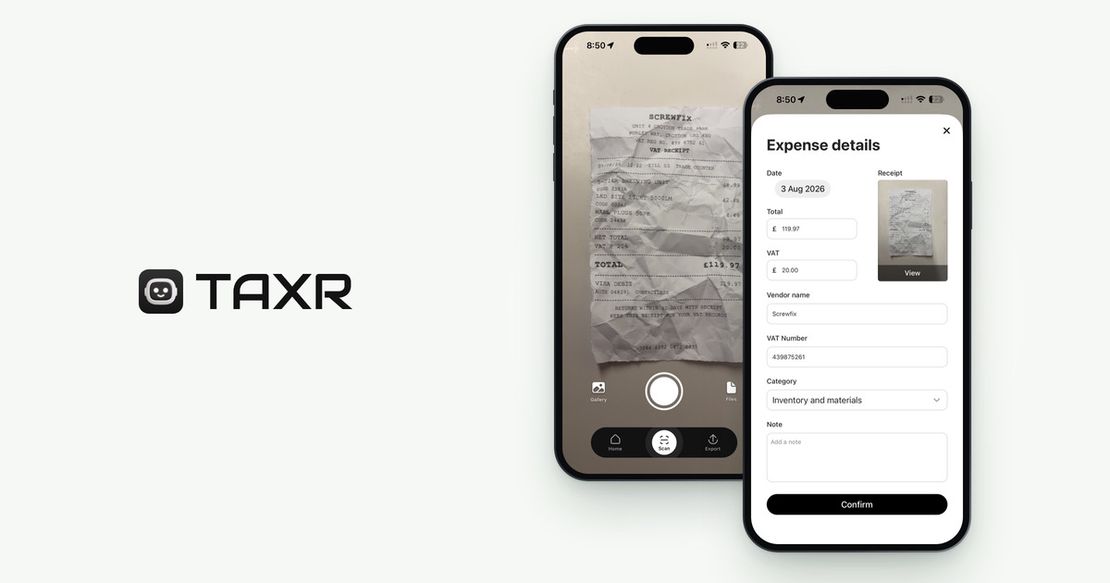
UK Sole Trader Allowable Expenses: A Guide for 2026-27
In short: For 2026-27, HMRC lets UK sole traders deduct a cost from their income if it was incurred wholly and exclusively for the business, and mixed-use costs are apportioned to the business share. The main allowable categories are office costs, travel, vehicle costs, staff costs, stock and materials, and use of home; client entertainment, everyday clothing and commuting are not allowable.
Read More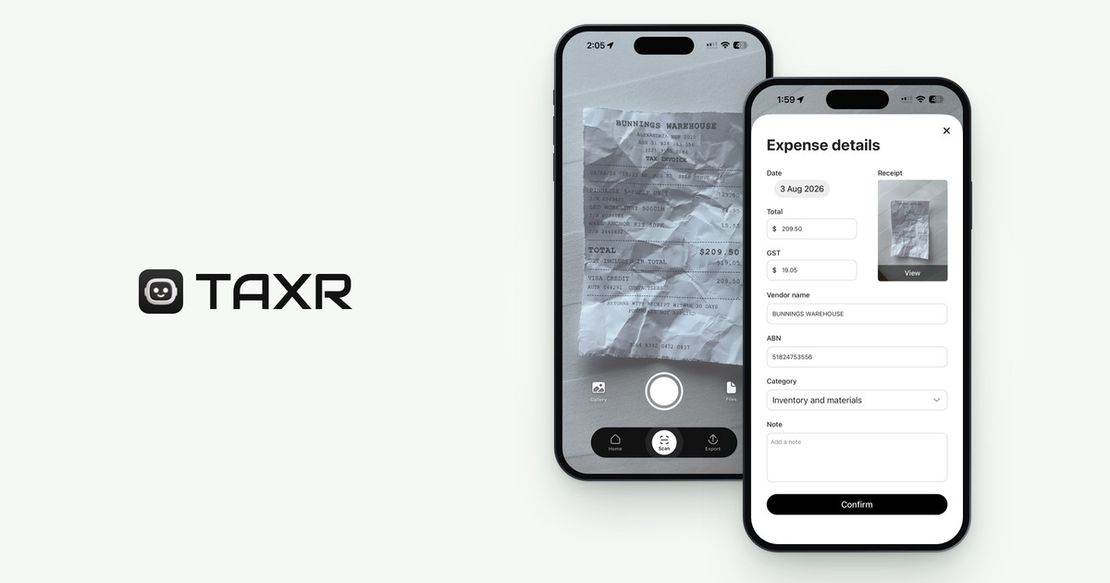
Tax Deductions for Cleaners in Australia
In short: Cleaners in Australia can claim cleaning supplies and equipment, travel between client sites, protective clothing and its laundry, insurance, the business-use share of a phone, advertising, and business registration and professional fees. Plain everyday clothing isn't deductible, even if you only wear it for work. The ATO requires records to be kept for five years and accepts digital copies of receipts.
Read MoreTax Deductions for Content Creators and YouTubers in Australia
In short: Australian content creators and YouTubers can claim deductions only if the ATO considers their content creation a business, not a hobby. Monetising it consistently with an intent to profit almost certainly makes it a business. The biggest deductions are then camera and video gear, editing software subscriptions, an editing computer and storage, and home studio and home office running costs.
Read MoreTax Deductions for Musicians and Artists in Australia
In short: Musicians and artists in Australia can claim instruments and equipment, studio and rehearsal space, recording and production costs, travel to gigs and performances, agent and manager commissions, performance costumes, and marketing. Everyday clothing isn't deductible, even if you wear it on stage. If you qualify as a special professional, the income averaging rules in Division 405 keep a good year from being taxed at a disproportionately high rate.
Read MoreTax Deductions for Personal Trainers in Australia
In short: Personal trainers in Australia, employed by a gym or running their own PT business, can claim most of the costs of their work. The biggest deductions are fitness equipment, certifications and CPD for their current work, insurance premiums, and travel between clients, gyms and outdoor locations. Plain activewear and sports shoes are not deductible, and travel from home to the first client is generally a non-deductible commute.
Read MoreTax Deductions for Freelance Photographers in Australia
In short: Freelance photographers in Australia can claim camera equipment, software subscriptions, computers and storage, props and studio costs, insurance, marketing, and travel to shoot locations. A photography business with an aggregated turnover under $10 million that uses the simplified depreciation rules can claim the business-use share of each item costing less than $20,000 in full in the year it is first used.
Read MoreTax Deductions for Teachers in Australia
In short: Teachers in Australia can claim classroom supplies they pay for themselves, teaching resources and subscriptions, professional registration, union fees, professional development, and travel between schools on the same day. Each expense must be work-related and not reimbursed by the school. In 2025-26 you need receipts once work claims pass $300; from 2026-27 a $1,000 standard deduction needs none. The regular commute between home and school is not deductible.
Read MoreTax Deductions for Nurses and Healthcare Workers in Australia
In short: Nurses and other healthcare workers in Australia can claim compulsory uniforms and their laundry, professional registration, union and association fees, continuing professional development that relates to their current role, medical equipment, and travel between workplaces. Plain clothes aren't deductible, even under an employer dress code, and neither is the regular commute between home and work, even for shifts at unusual hours.
Read MoreTax Deductions for Real Estate Agents in Australia
In short: Australian real estate agents, from salaried and commission-only salespeople to agency owners, can claim vehicle costs, the work-related share of phone and internet, marketing they pay for themselves, licence and Real Estate Institute fees, and insurance. Vehicle expenses are often the single largest deduction, and for high-kilometre agents the logbook method is essential. Plain suits and business shirts are not deductible.
Read MoreTax Deductions for IT Contractors in Australia
In short: IT contractors in Australia can claim the work-related share of software licences and subscriptions, phone and internet, professional memberships, hardware, home office running costs, travel to client sites, and training that relates to their current work. Travel between home and a regular permanent workplace is generally not deductible. The ATO requires records to be kept for five years from the date you lodge your return.
Read More17 Tax Deductions Australian Freelancers Miss Every Year
In short: The ATO lets Australian freelancers deduct expenses directly related to earning their income, provided they have records to prove it. This list of 17 commonly missed deductions covers larger items such as home office running costs, travel between work locations, equipment depreciation and income protection insurance, plus small costs that add up, including software subscriptions, professional memberships and bank fees.
Read MoreInstant Asset Write-Off: What Small Businesses Can Claim in 2026
In short: For the 2025-26 financial year, Australian small businesses with aggregated turnover under $10 million can immediately deduct the full cost of each new or second-hand asset costing less than $20,000. The threshold applies per asset, and the asset must be first used or installed ready for use by June 30. The 2026-27 Federal Budget announced the threshold would be made permanent, and that change is now law.
Read More5 Tax Deduction Tips Every Freelancer Should Know
In short: The five tips for Australian freelancers are to track every business expense, claim home office costs by the fixed rate or actual cost method, claim work car travel by the cents per kilometre or logbook method, claim professional development that relates to your current work, and keep digital records for five years from the date you lodge. The ATO accepts digital copies as valid records.
Read MoreHome Office Deduction Calculator: How to Claim in Australia
In short: If you regularly work from home in Australia, the ATO offers two ways to claim a home office deduction. The fixed rate method allows 70 cents per hour worked from home for 2024-25 and 2025-26, plus equipment depreciation, and needs a record of your actual hours. The actual cost method claims the work-related share of running costs and needs more records, but can give a larger deduction.
Read MoreTax Deductions Every Tradie Should Know in Australia
In short: Tradies in Australia can claim tools and equipment, vehicle travel between job sites, protective and occupation-specific workwear, and insurance premiums. Sole traders with an aggregated turnover under $10 million can use the instant asset write-off for assets under the $20,000 limit, while the $300 immediate deduction is for employees. Plain clothes aren't deductible, even if they get ruined on the job.
Read MoreTax Deductions for Freelance Graphic Designers in Australia
In short: Freelance graphic designers in Australia can claim the work-related share of software subscriptions, hardware, home office running costs and training for their current work. The ATO's work-from-home fixed rate is 70 cents per hour for 2024-25 and 2025-26. With an aggregated turnover under $10 million and the simplified depreciation rules, the work-related share of each item costing less than $20,000 can be claimed in full.
Read MoreTax Deductions for Rideshare Drivers in Australia: A Driver's Guide
In short: The ATO treats rideshare driving in Australia as a business, so drivers can claim business expenses and must register for GST whatever they earn. Car running costs make up the bulk of the deductions, and high-kilometre drivers almost always get more from the logbook method than cents per km. Drivers can also claim platform fees, tolls, parking, car washes and the work-related share of phone and data.
Read More