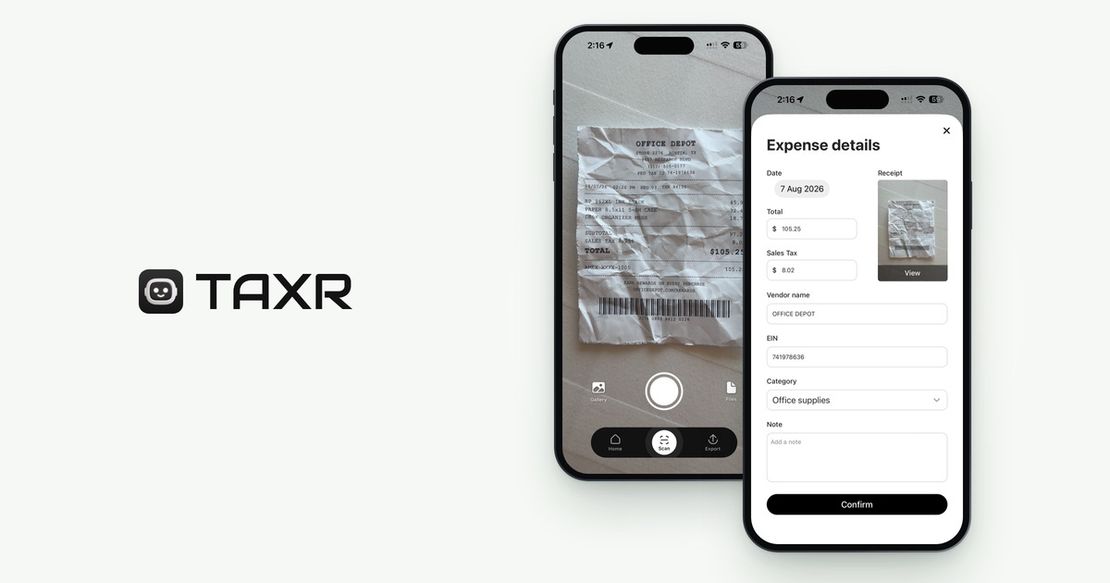
How to Organize Receipts for Taxes: A Simple System for US Freelancers
In short: Put business spending on one card, capture each receipt the day you get it, and sort it into a Schedule C category with the image kept on the record. Review weekly or monthly, then hand over category totals at tax time. The IRS expects each record to show who you paid, how much, when and what for, and generally says to keep records 3 years.
Read MoreWhat Receipts Does the IRS Actually Require?
In short: The IRS requires adequate records for each deduction, showing the amount, the date, the payee and the business purpose, but not the paper original or any particular app. Clear digital copies such as photos, scans and PDFs are accepted, and the general rule is to keep records for at least three years from when you file. A bank statement alone is not enough.
Read More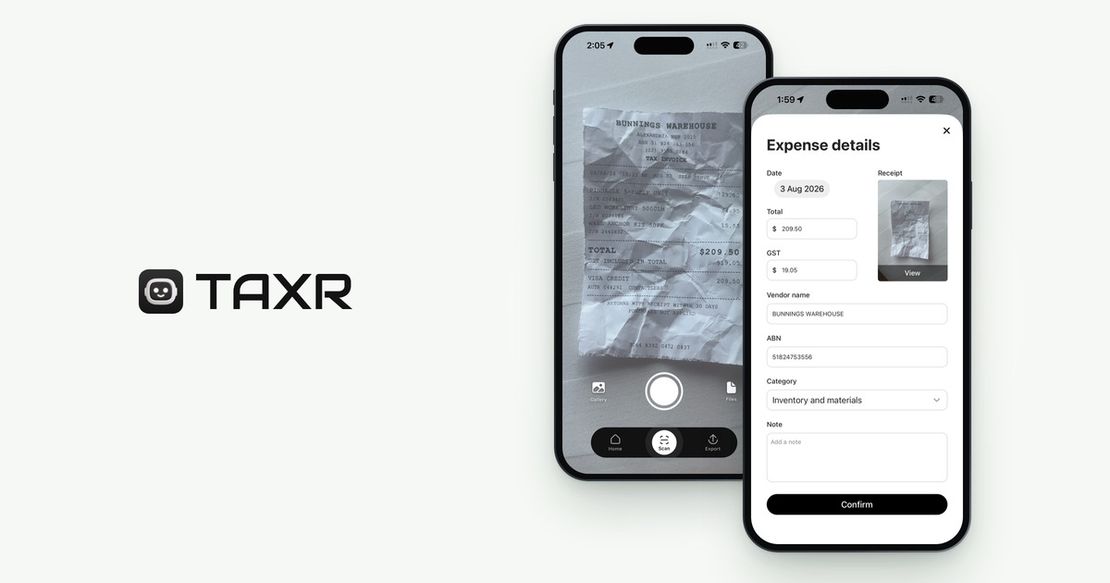
IAWO Recordkeeping Checklist Now It's Permanent
In short: Each claim under Australia's permanent $20,000 instant asset write-off needs seven records: the tax invoice, proof of payment, the asset description and serial number, the first-use or installation date, a business-use percentage for mixed-use assets, an asset register entry and any simplified depreciation election. The ATO says to keep them while you hold the asset and for five years after you dispose of it.
Read MoreLoss Carry-Back Records Your Clients Need to Keep
In short: From 1 July 2026, Australian companies with aggregated turnover under $1 billion can carry a tax loss back against tax paid in up to two prior income years. Each claim needs five records: the prior-year notices of assessment, a reconciled loss calculation, receipts for major loss-year deductions, a franking account statement and a director-signed narrative of the loss drivers.
Read More