Lost a Receipt? What the ATO Accepts When You Lodge Your Own Tax Return
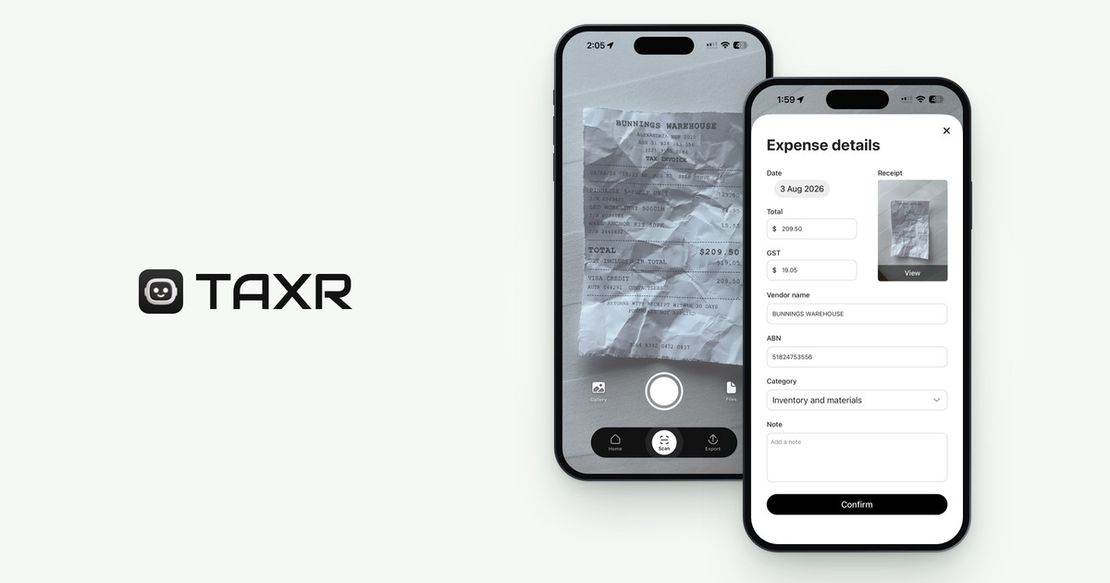
A lost receipt doesn't always mean a lost deduction. On your 2025-26 tax return you can claim some work-related expenses without receipts, within set limits, and the ATO can accept other evidence in place of a missing receipt, such as a supplier's copy or a bank statement backed by something that shows what you bought. What you can't do is claim an amount you have no way of supporting: if the ATO reviews your return and the evidence isn't there, it can remove the deduction.
Read More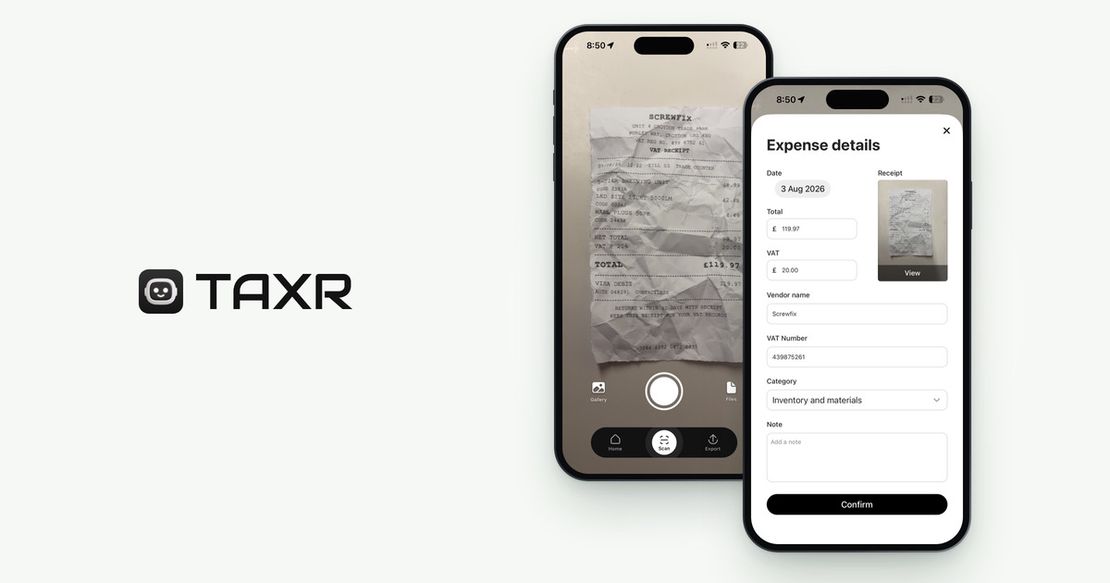
What Digital Records Do You Actually Need for Making Tax Digital?
In short: Under HMRC's Making Tax Digital for Income Tax, you need a digital record of every business transaction showing at least the date, the amount and a Self Assessment-aligned category. HMRC never receives your receipts, only quarterly category totals, but you keep the receipts as evidence. A spreadsheet still counts if it is digitally linked to your filing software.
Read MoreYour First MTD Year: A Record-Keeping Checklist for 2026-27
In short: In your first year of HMRC's Making Tax Digital (2026-27), confirm you're in scope, sign up, choose a records layer plus filing software or an accountant, record expenses digitally as they happen, and diary 7 August, 7 November, 7 February, 7 May and 31 January. Late quarterly updates cost no penalty points this year, but late returns and payments are still penalised.
Read MoreDigital Receipt Management vs Paper Receipts: What the ATO Accepts
If you're still stuffing paper receipts into a shoebox, a drawer, or the glovebox of your car, you're making tax time harder than it needs to be. The ATO accepts photos and scans of receipts as records, and its guidance for businesses lists the advantages of keeping records digitally. Digital receipt management solves nearly every problem that paper receipts create. This guide explains why paper receipts are failing you, what the ATO requires from digital records, and how to make the transition without losing anything.
Read MoreHow to Track Business Expenses as a Sole Trader
In short: To track business expenses as a sole trader in Australia, pick one tool, set up categories that match your tax return, record every expense immediately, review your records for ten minutes each week, and export them monthly or quarterly for your BAS if you're registered for GST. The ATO requires you to keep these records for five years from the date you lodge your return.
Read More