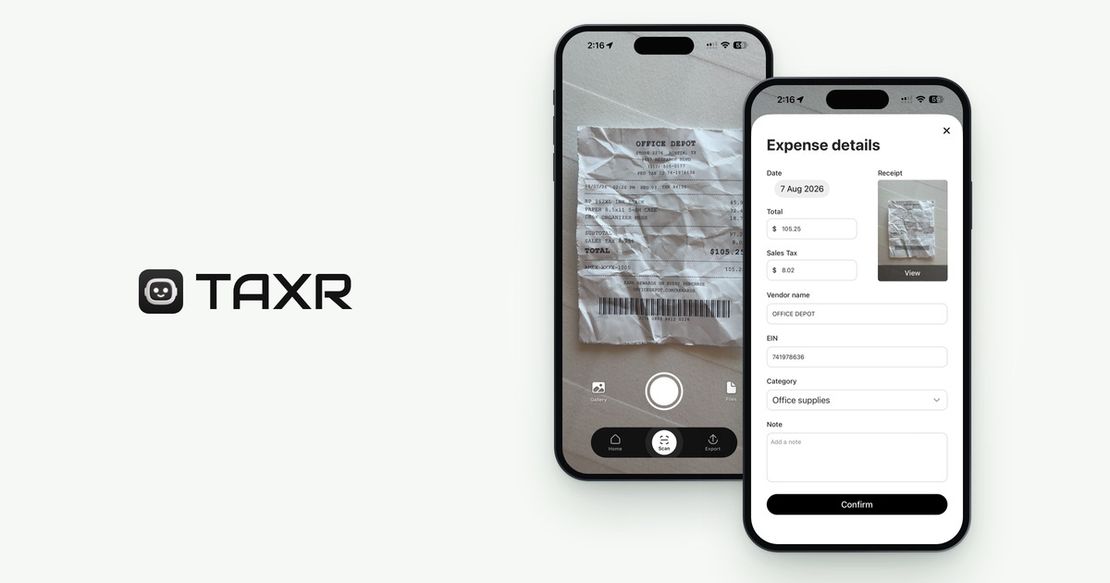
How to Organize Receipts for Taxes: A Simple System for US Freelancers
In short: Put business spending on one card, capture each receipt the day you get it, and sort it into a Schedule C category with the image kept on the record. Review weekly or monthly, then hand over category totals at tax time. The IRS expects each record to show who you paid, how much, when and what for, and generally says to keep records 3 years.
Read More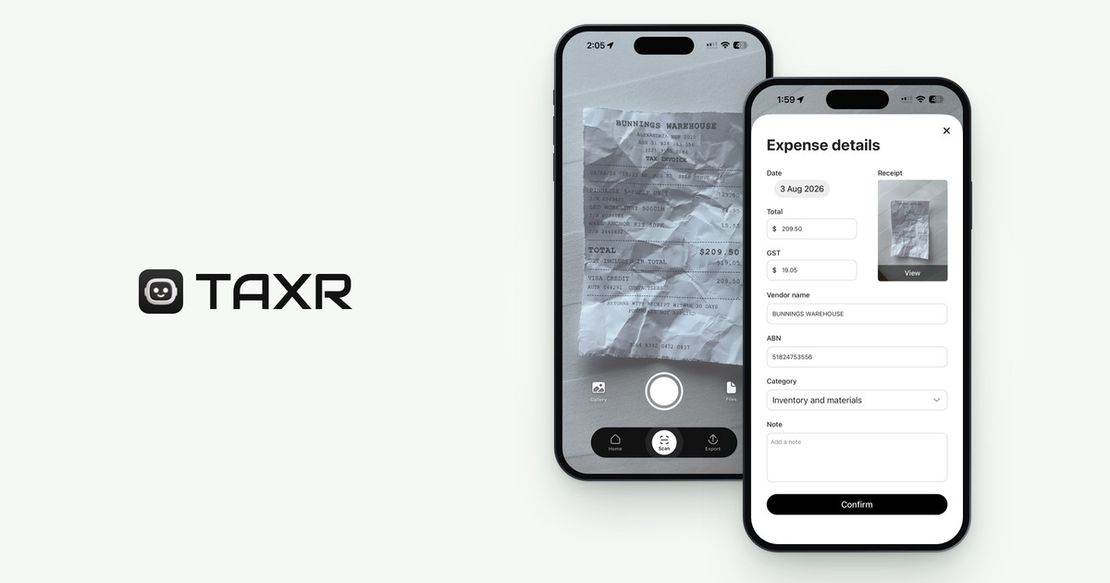
Lost a Receipt? What the ATO Accepts When You Lodge Your Own Tax Return
A lost receipt doesn't always mean a lost deduction. On your 2025-26 tax return you can claim some work-related expenses without receipts, within set limits, and the ATO can accept other evidence in place of a missing receipt, such as a supplier's copy or a bank statement backed by something that shows what you bought. What you can't do is claim an amount you have no way of supporting: if the ATO reviews your return and the evidence isn't there, it can remove the deduction.
Read MoreHow to Organise Your Receipts Before Sending Them to Your Accountant
In short: Scan paper receipts as soon as possible (the ATO accepts digital copies), sort everything by expense category and then by date, and send your accountant category totals, a detailed transaction list, the organised receipt images, bank statements for every business account, and notes flagging mixed-use items, large purchases and unusual expenses. Organised records take your accountant less time, which means lower fees and fewer missed deductions.
Read More