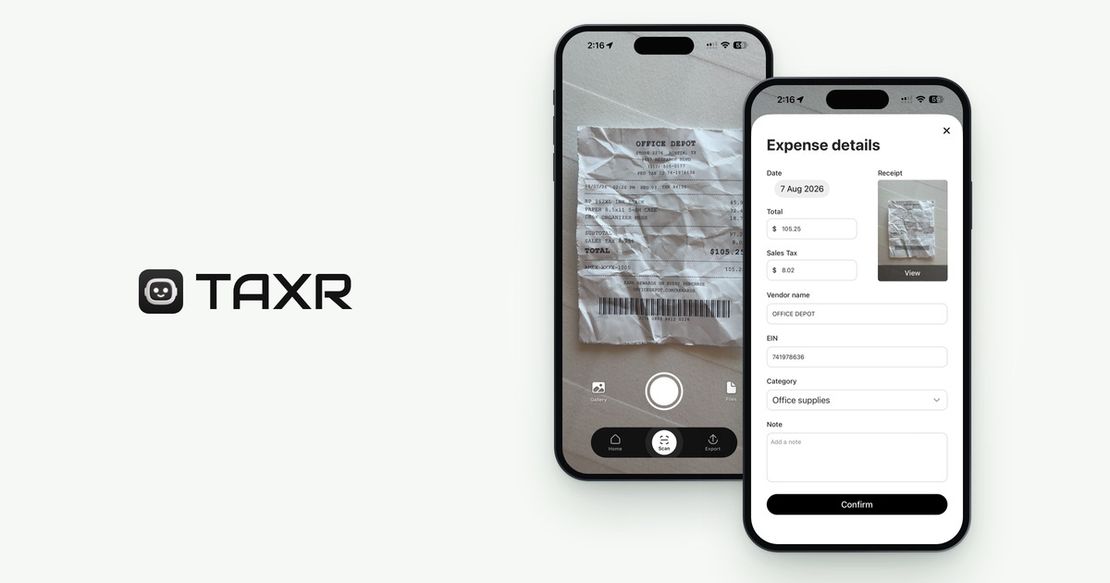
1099 Expense Tracking: A Guide for US Freelancers
In short: US freelancers paid on a 1099 deduct business expenses that are ordinary and necessary for their work on Schedule C, which lowers both income tax and self-employment tax. Keep a receipt or written record for every deduction, a mileage log for vehicle costs and your home office measurements for at least six years, and set aside 25-30% of every payment for taxes.
Read More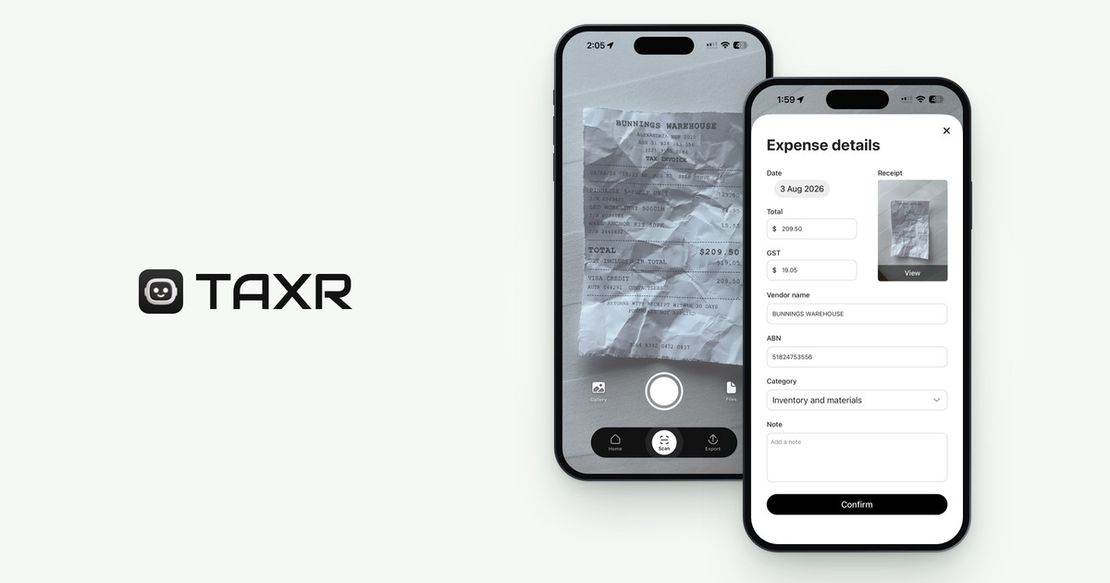
Setting Up Your Expense Tracking for the New Financial Year
In short: Set up your expense tracking when the Australian financial year starts on 1 July. Review what broke down last year, use categories that match your tax return and BAS, scan every receipt the moment you get it, open a dedicated business bank account, and set reminders for BAS deadlines (if you're registered for GST) and for 31 October if you lodge your own return.
Read MoreHow to Track Business Expenses as a Sole Trader
In short: To track business expenses as a sole trader in Australia, pick one tool, set up categories that match your tax return, record every expense immediately, review your records for ten minutes each week, and export them monthly or quarterly for your BAS if you're registered for GST. The ATO requires you to keep these records for five years from the date you lodge your return.
Read More