What Actually Goes in an MTD Quarterly Update
In short: An HMRC Making Tax Digital quarterly update contains only a total for each income and expense category, aligned to the Self Assessment return categories, not individual receipts or invoices. Each update is cumulative from 6 April, nil updates are still required, and you keep the underlying records for at least five years after the 31 January deadline for that tax year.
Read MoreWhat Digital Records Do You Actually Need for Making Tax Digital?
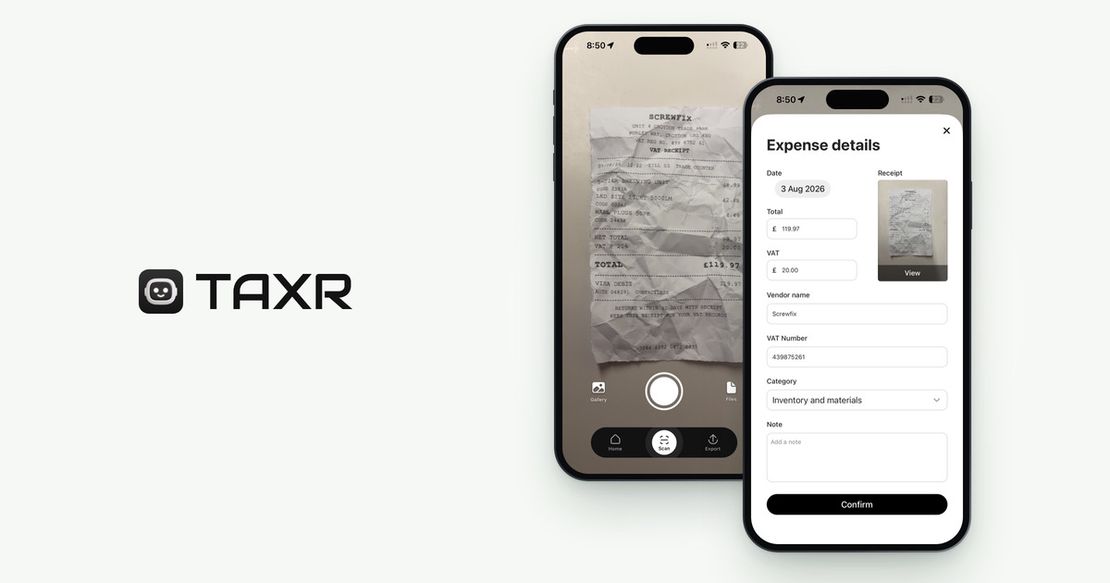
In short: Under HMRC's Making Tax Digital for Income Tax, you need a digital record of every business transaction showing at least the date, the amount and a Self Assessment-aligned category. HMRC never receives your receipts, only quarterly category totals, but you keep the receipts as evidence. A spreadsheet still counts if it is digitally linked to your filing software.
Read More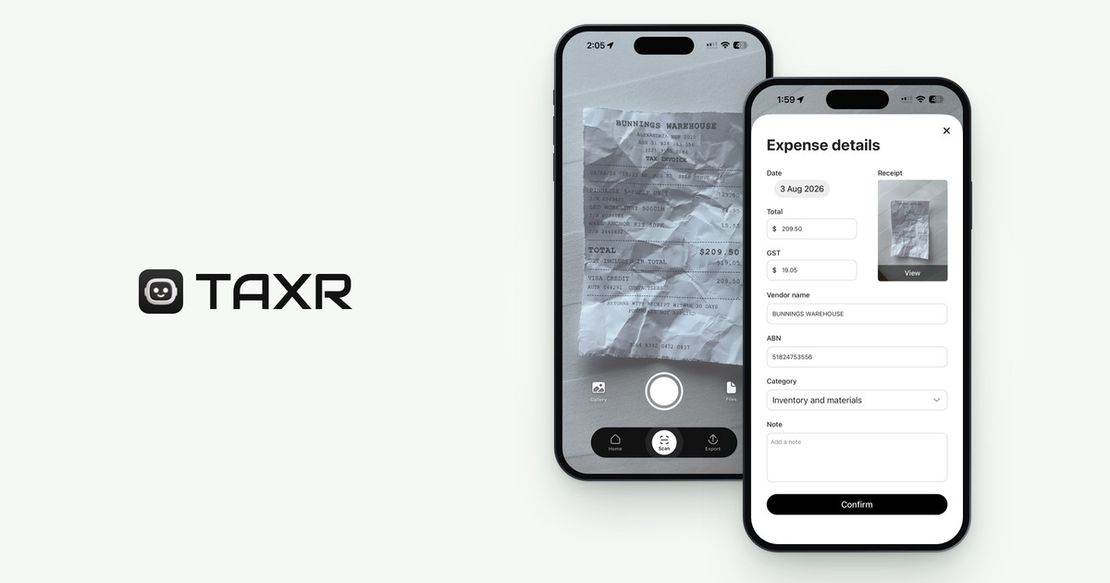
The Complete Guide to Scanning and Storing Receipts for Tax Compliance
In short: The ATO accepts a clear, legible photo or scan of a receipt, so you don't need to keep the paper. Store the digital copies securely with a backup and keep them for five years from the date you lodge your tax return. Scan each receipt as soon as you get it, flat and in good light, and check that the date, amount and vendor are readable.
Read More