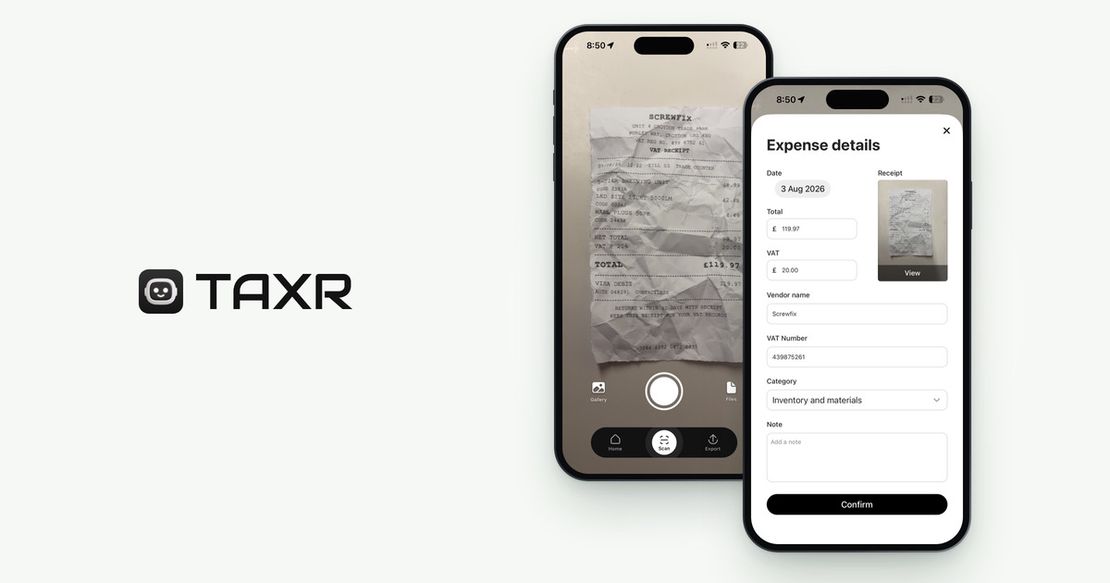
Do You Need an Accountant for Making Tax Digital?
In short: You don't have to use an accountant for HMRC's Making Tax Digital: keeping your own digital records and filing through HMRC-recognised software is a legitimate route for one simple income stream and low transaction volume. Consider an accountant if you have self-employment plus property, multiple income sources, high-volume transactions or capital allowances to judge.
Read More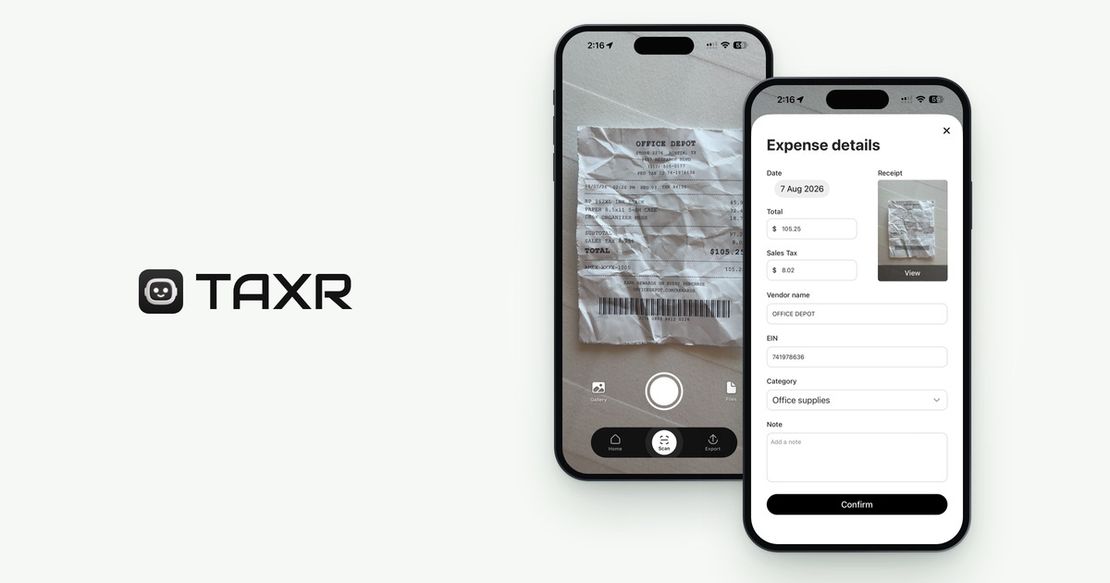
What to Actually Give Your Accountant as a Freelancer
In short: A US freelancer should give their accountant expense totals already sorted into Schedule C categories, the receipt behind each expense, every 1099-NEC and 1099-K plus a record of income that came without a form, the prior-year return, and the dates and amounts of any quarterly estimated payments. Send it in February, not on April 14, ideally as both a PDF and a spreadsheet.
Read More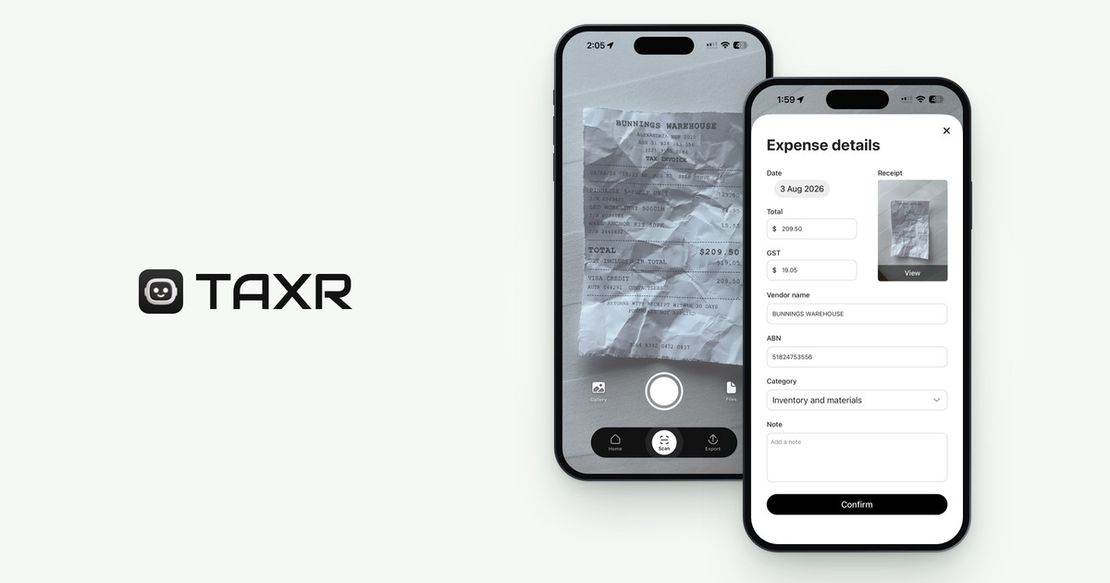
How to Export Your Expenses for Your Accountant in Minutes
In short: Give your accountant a categorised expense report covering 1 July to 30 June for your Australian tax return, or the relevant quarter for BAS. Show each expense's date, vendor, description, ATO-aligned category, GST-inclusive total and GST amount, add category, GST and grand totals, and make the receipt images accessible. Provide a PDF for quick review and an Excel file your accountant can import.
Read MoreHow to Organise Your Receipts Before Sending Them to Your Accountant
In short: Scan paper receipts as soon as possible (the ATO accepts digital copies), sort everything by expense category and then by date, and send your accountant category totals, a detailed transaction list, the organised receipt images, bank statements for every business account, and notes flagging mixed-use items, large purchases and unusual expenses. Organised records take your accountant less time, which means lower fees and fewer missed deductions.
Read More