Blog
- Home /
- Blog
Guides by country: US tax guides, UK tax guides, Australian tax guides.
What Digital Records Do You Actually Need for Making Tax Digital?
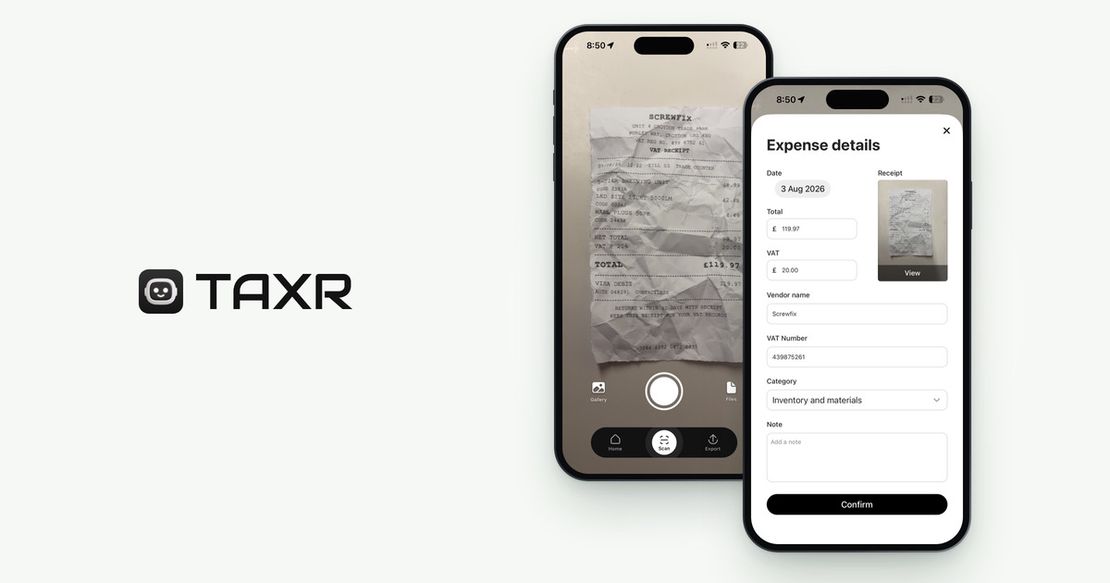
In short: Under HMRC's Making Tax Digital for Income Tax, you need a digital record of every business transaction showing at least the date, the amount and a Self Assessment-aligned category. HMRC never receives your receipts, only quarterly category totals, but you keep the receipts as evidence. A spreadsheet still counts if it is digitally linked to your filing software.
Read More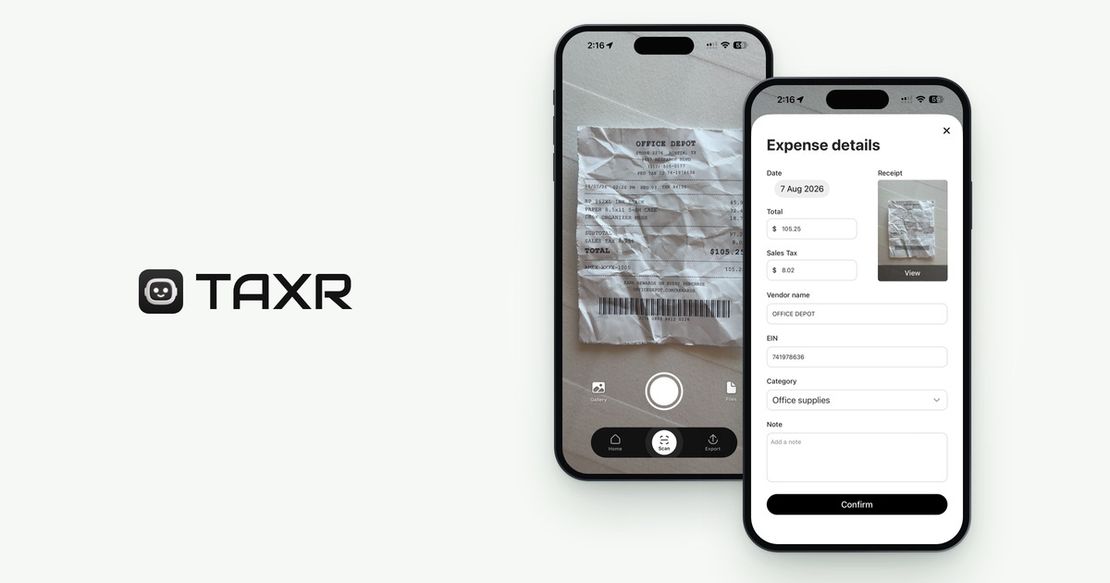
What Receipts Does the IRS Actually Require?
In short: The IRS requires adequate records for each deduction, showing the amount, the date, the payee and the business purpose, but not the paper original or any particular app. Clear digital copies such as photos, scans and PDFs are accepted, and the general rule is to keep records for at least three years from when you file. A bank statement alone is not enough.
Read MoreWhat to Actually Give Your Accountant as a Freelancer
In short: A US freelancer should give their accountant expense totals already sorted into Schedule C categories, the receipt behind each expense, every 1099-NEC and 1099-K plus a record of income that came without a form, the prior-year return, and the dates and amounts of any quarterly estimated payments. Send it in February, not on April 14, ideally as both a PDF and a spreadsheet.
Read MoreYour First MTD Year: A Record-Keeping Checklist for 2026-27
In short: In your first year of HMRC's Making Tax Digital (2026-27), confirm you're in scope, sign up, choose a records layer plus filing software or an accountant, record expenses digitally as they happen, and diary 7 August, 7 November, 7 February, 7 May and 31 January. Late quarterly updates cost no penalty points this year, but late returns and payments are still penalised.
Read More7 Dext Alternatives in 2026 (Formerly Receipt Bank): Honest Comparison
In short: The best Dext alternative depends on who you are. For freelancers and sole traders tracking their own receipts, Taxr (our own app) costs US$29.99 a year on the App Store, against $302.50 a year for Dext's Business plan. Firms on Xero get Hubdoc included, practices with many low-volume clients often pay less with AutoEntry, and teams filing expense reports are better served by Expensify.
Read MoreBest Receipt Scanner App for Taxes in 2026
In short: For freelancers, 1099 contractors and sole traders who need receipt records at tax time, the best fit is Taxr (our own app), which reads receipts, suggests a tax-aligned category and is free to start, then US$29.99 a year on the App Store. Keeper suits US filers who want bank-feed deduction finding and filing, Everlance suits people who drive for work, and Dext suits accounting practices.
Read MoreDext Pricing Explained (2026): Plans, Add-Ons, and What It Actually Costs
In short: As of August 2026, Dext Business, Dext's only self-serve plan, costs $31.50 a month in the US, or $302.50 a year billed annually, with 250 documents a month, 5 users and no free tier. Add-ons such as AI Assist and line-item extraction cost extra, and accountant practice plans run about $17.70 to $19.20 per client a month with a 10-client minimum.
Read More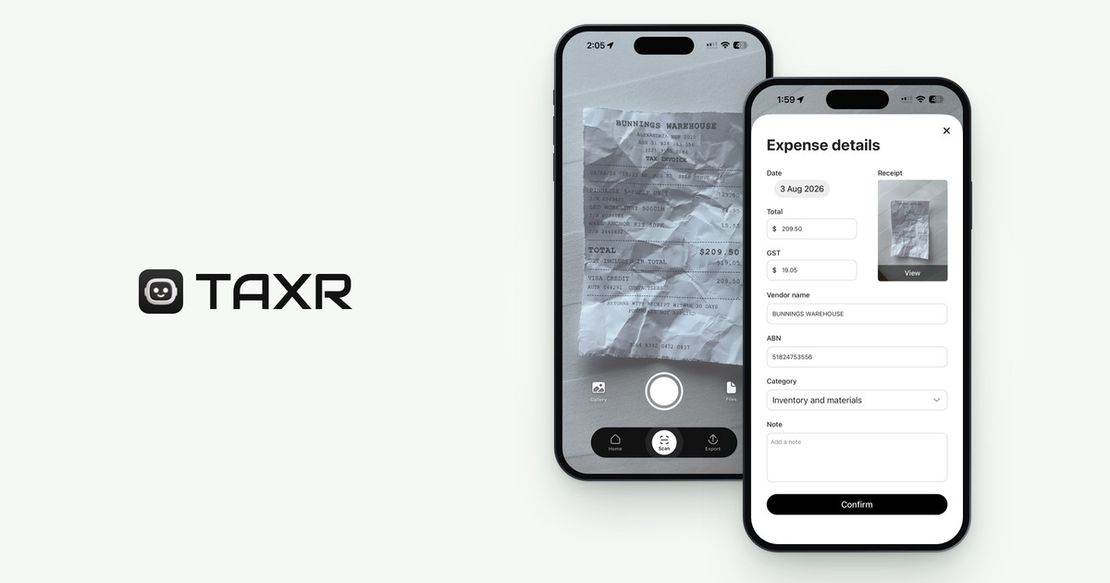
Digital Receipt Management vs Paper Receipts: What the ATO Accepts
If you're still stuffing paper receipts into a shoebox, a drawer, or the glovebox of your car, you're making tax time harder than it needs to be. The ATO accepts photos and scans of receipts as records, and its guidance for businesses lists the advantages of keeping records digitally. Digital receipt management solves nearly every problem that paper receipts create. This guide explains why paper receipts are failing you, what the ATO requires from digital records, and how to make the transition without losing anything.
Read MoreTax Deductions for Cleaners in Australia
In short: Cleaners in Australia can claim cleaning supplies and equipment, travel between client sites, protective clothing and its laundry, insurance, the business-use share of a phone, advertising, and business registration and professional fees. Plain everyday clothing isn't deductible, even if you only wear it for work. The ATO requires records to be kept for five years and accepts digital copies of receipts.
Read MoreGST for Small Business: When to Register and How to Track It
In short: The ATO requires you to register for GST if your business has a GST turnover of $75,000 or more in the current or previous 12 months, or expects to reach $75,000 in the coming 12 months. Taxi and rideshare drivers must register regardless of turnover. Once registered, record the GST on every transaction, keep your tax invoices for five years and reconcile before each BAS.
Read MoreCategories
Tags
- $1000 Flat Deduction
- 1040-ES
- 1099
- 1099-K
- 1099-NEC
- ABN
- Accountant
- Accountants
- AI
- Allowable Expenses
- AML
- App Comparison
- Artists
- ATO
- ATO Penalties
- Audits
- Australia
- Automation
- BAS
- Best Apps 2026
- Bookkeeping
- Bookkeeping Software
- Budget 2026
- Business Expenses
- Business Structure
- Capital-Gains
- Cash Flow
- CGT
- Checklist
- CIS
- Classroom
- Cleaners
- Cleaning Business
- Client Management
- Client Onboarding
- Client-Comms
- Coaches
- Combined Income
- Commissions
- Company Tax
- Comparison
- Compliance
- Construction
- Consultants
- Content-Creators
- Contractors
- Couriers
- Creative Professionals
- Creatives
- Creators
- CTF
- Deadline
- Deductions
- Delivery Drivers
- Depreciation
- Developers
- Dext
- Dext Alternative
- Dext Pricing
- Digital Exclusion
- Digital Receipts
- Digital Records
- Education
- Employer-Obligations
- EOFY
- Estimated Taxes
- Etsy Sellers
- Expense Audit
- Expense Categories
- Expense Export
- Expense Habits
- Expense Management
- Expense Reports
- Expense Tracker
- Expense Tracking
- FAQ
- Federal-Budget-2026
- Filing Guide
- Financial Management
- Financial Review
- Financial Year
- First Year
- Fitness
- Freelance Designers
- Freelancer Taxes
- Freelancers
- Gig-Economy
- Gig Workers
- Graphic Designers
- GST
- Handyman
- Health
- Healthcare Workers
- HMRC
- Home Office
- Home Office Deduction
- How-To
- IAWO
- Indexation
- Indie Software
- Influencers
- Instant Asset Write-Off
- International
- Investment
- IRS
- IT Contractors
- Itemise
- January 31
- Keeper
- Landlords
- Last Minute
- Late Lodgement
- Loss-Carry-Back
- Low-Income
- Making Tax Digital
- Medical
- Medicare-Levy
- Mileage
- Mileage Rate
- Missed Deductions
- MTD
- MTD Checklist
- MTD Deadlines
- MTD Exemptions
- MTD Penalty
- MTD Penalty Points
- MTD Software
- MTD Thresholds
- Multi-Country
- Musicians
- MyDeductions
- Negative Gearing
- New Year
- Nurses
- OCR
- Paper Receipts
- Payday Super
- Penalties
- Personal-Trainers
- Photographers
- Preparation
- Pricing
- Product Features
- Property
- Property Income
- PSI
- QBI Deduction
- Qualifying Income
- Quarterly Lodgement
- Quarterly Update
- Quarterly Updates
- QuickBooks Self-Employed
- Real Estate Agents
- Realtors
- Receipt Bank
- Receipt Scanner
- Receipt Scanning
- Receipt Storage
- Receipt Tracking
- Receipts
- Record Keeping
- Recordkeeping
- Refundable
- Registration
- Remote Work
- Restructure
- Rideshare
- Rideshare Drivers
- Rollover
- Sales
- Schedule C
- Schedule SE
- Section 199A
- Self Assessment
- Self-Employed
- Self-Employment Tax
- Self-Lodgment
- Services
- Setup
- Shadow-Economy
- Side Gig
- Simplified Expenses
- Small Business
- Social Media
- Software Developers
- Sole Trader
- Sole Traders
- Spring Clean
- Subcontractors
- Superannuation
- Tax Changes
- Tax Checklist
- Tax Compliance
- Tax Deadline
- Tax Deductions
- Tax Filing
- Tax Planning
- Tax Preparation
- Tax-Return
- Tax Season
- Tax Software
- Tax-Offset
- Teachers
- Technology
- Templates
- Tradespeople
- Tradies
- Travel Deductions
- Trust-Restructure
- Trust-Tax
- Trusts
- Uber
- UK
- Unit Economics
- US
- US Freelancers
- Vehicle Deduction
- Vehicle Expenses
- W-2
- WATO
- Work-Related Expenses
- YouTubers