Blog
- Home /
- Blog
Guides by country: US tax guides, UK tax guides, Australian tax guides.
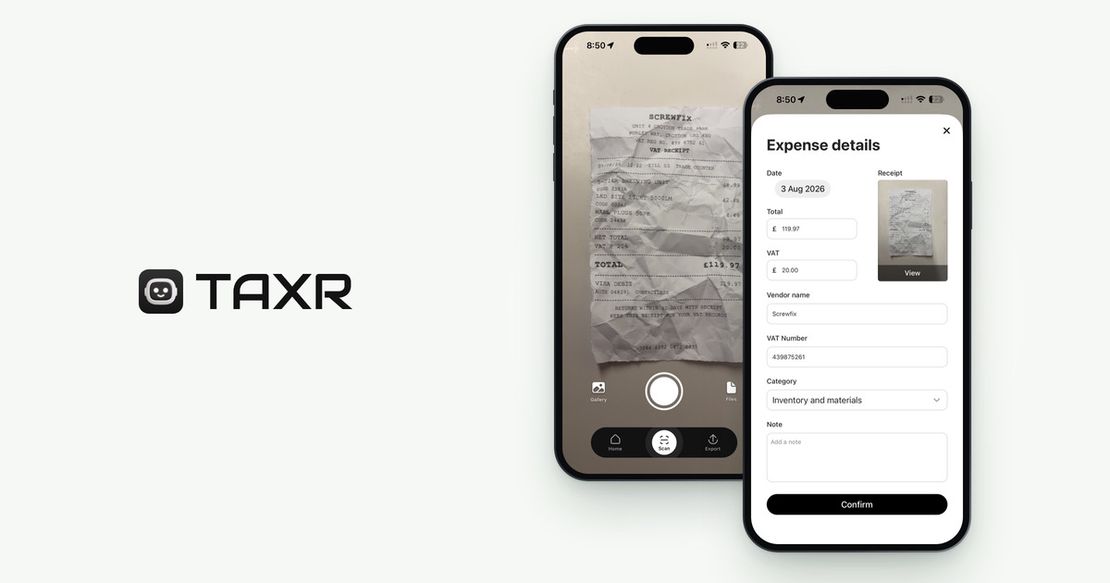
UK Self Assessment Tax Return: A Step-by-Step Guide for the Self-Employed
In short: To file a UK Self Assessment return as a self-employed person, register with HMRC and get your UTR, set up a Government Gateway account, gather your income and expense records, complete the SA100 and SA103S or SA103F online, then submit and pay what you owe. For the 2025/26 tax year, the online filing and payment deadline is 31 January 2027.
Read MoreUK Self Assessment: Last-Minute Filing Guide Before January 31
In short: HMRC accepts online Self Assessment returns until midnight on 31 January. Gather your UTR, Government Gateway login, and income and expense records, then log in, answer the tailoring questions, complete each section, review, submit, save the confirmation and pay what you owe. If you can't pay in full, file anyway and set up a Time to Pay arrangement.
Read More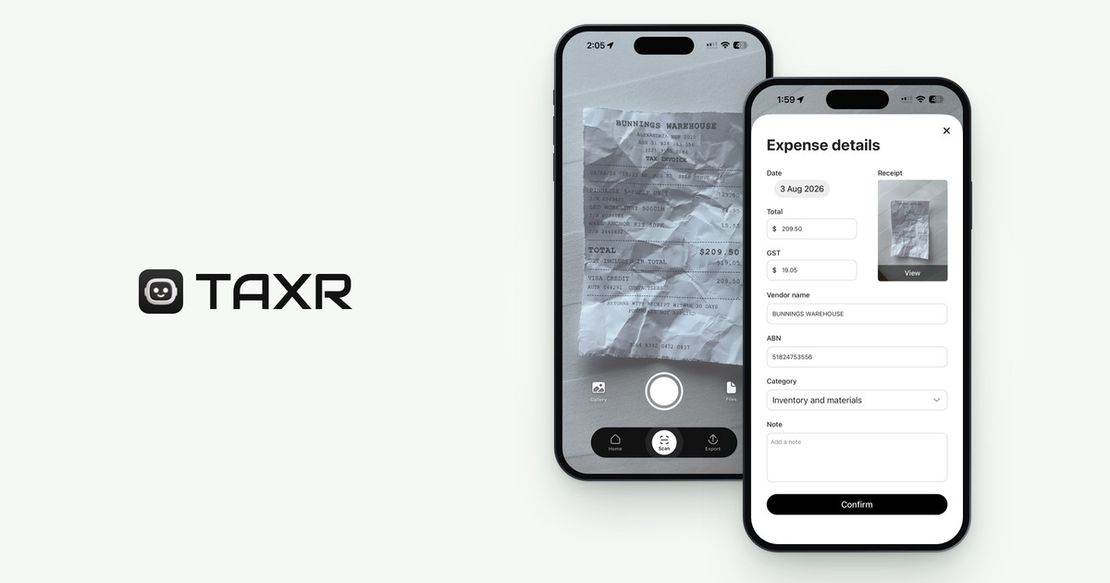
Sole Trader vs Company in Australia: Which Structure Is Right for You?
In short: For many freelancers starting out in Australia, a sole trader structure is the obvious choice because it is simpler and cheaper to run. A company gives limited liability and a flat 25% tax rate for base rate entities, but costs more in fees and compliance. It is worth considering when taxable business income is regularly above $135,000 and you don't need to withdraw all of it.
Read MoreABN Expense Tracker: Separating Business and Personal Spending
In short: If you earn income under an ABN in Australia, keep business and personal spending apart from day one, using a separate bank account, a dedicated expense tracker or both, and scan receipts immediately. For mixed-use costs such as your phone, car and home office, claim only the business-use portion on a reasonable, consistent basis, and keep records for five years, as the ATO requires.
Read MoreGST Receipt Tracking: The Easiest Way to Stay BAS-Ready
In short: The easiest way to stay BAS-ready in Australia is to record GST as you go: scan each receipt with a GST receipt tracking app when you get it, so the GST amount is stored separately from the total. Keep a valid tax invoice to claim the GST credit on any purchase over $82.50 (including GST), and export your GST totals by category each quarter for your BAS.
Read MoreHome Office Deduction Calculator: How to Claim in Australia
In short: If you regularly work from home in Australia, the ATO offers two ways to claim a home office deduction. The fixed rate method allows 70 cents per hour worked from home for 2024-25 and 2025-26, plus equipment depreciation, and needs a record of your actual hours. The actual cost method claims the work-related share of running costs and needs more records, but can give a larger deduction.
Read MoreHow to Track Business Expenses as a Sole Trader
In short: To track business expenses as a sole trader in Australia, pick one tool, set up categories that match your tax return, record every expense immediately, review your records for ten minutes each week, and export them monthly or quarterly for your BAS if you're registered for GST. The ATO requires you to keep these records for five years from the date you lodge your return.
Read MoreFreelancer Expense Categories Explained: A Simple Breakdown
In short: The categories most Australian freelancers use regularly are office supplies and equipment, software and subscriptions, travel and transport, home office, professional development, marketing and advertising, insurance, communication (phone and internet) and professional services. When an expense fits more than one, pick the most specific category and use it consistently, and claim only the work-related portion of anything you also use personally.
Read MoreThe Best ATO myDeductions Alternative for 2026
In short: For Australian freelancers and sole traders who have outgrown myDeductions in the ATO app, an AI receipt scanner such as Taxr is the better choice: it reads the date, amount, vendor and GST from each receipt, stores records in the cloud and exports Excel or PDF reports. myDeductions is free and feeds into myTax, but you type in every expense by hand and run backups yourself.
Read MoreTax Deductions Every Tradie Should Know in Australia
In short: Tradies in Australia can claim tools and equipment, vehicle travel between job sites, protective and occupation-specific workwear, and insurance premiums. Sole traders with an aggregated turnover under $10 million can use the instant asset write-off for assets under the $20,000 limit, while the $300 immediate deduction is for employees. Plain clothes aren't deductible, even if they get ruined on the job.
Read MoreCategories
Tags
- $1000 Flat Deduction
- 1040-ES
- 1099
- 1099-K
- 1099-NEC
- ABN
- Accountant
- Accountants
- AI
- Allowable Expenses
- AML
- App Comparison
- Artists
- ATO
- ATO Penalties
- Audits
- Australia
- Automation
- BAS
- Best Apps 2026
- Bookkeeping
- Bookkeeping Software
- Budget 2026
- Business Expenses
- Business Structure
- Capital-Gains
- Cash Flow
- CGT
- Checklist
- CIS
- Classroom
- Cleaners
- Cleaning Business
- Client Management
- Client Onboarding
- Client-Comms
- Coaches
- Combined Income
- Commissions
- Company Tax
- Comparison
- Compliance
- Construction
- Consultants
- Content-Creators
- Contractors
- Couriers
- Creative Professionals
- Creatives
- Creators
- CTF
- Deadline
- Deductions
- Delivery Drivers
- Depreciation
- Developers
- Dext
- Dext Alternative
- Dext Pricing
- Digital Exclusion
- Digital Receipts
- Digital Records
- Education
- Employer-Obligations
- EOFY
- Estimated Taxes
- Etsy Sellers
- Expense Audit
- Expense Categories
- Expense Export
- Expense Habits
- Expense Management
- Expense Reports
- Expense Tracker
- Expense Tracking
- FAQ
- Federal-Budget-2026
- Filing Guide
- Financial Management
- Financial Review
- Financial Year
- First Year
- Fitness
- Freelance Designers
- Freelancer Taxes
- Freelancers
- Gig-Economy
- Gig Workers
- Graphic Designers
- GST
- Handyman
- Health
- Healthcare Workers
- HMRC
- Home Office
- Home Office Deduction
- How-To
- IAWO
- Indexation
- Indie Software
- Influencers
- Instant Asset Write-Off
- International
- Investment
- IRS
- IT Contractors
- Itemise
- January 31
- Keeper
- Landlords
- Last Minute
- Late Lodgement
- Loss-Carry-Back
- Low-Income
- Making Tax Digital
- Medical
- Medicare-Levy
- Mileage
- Mileage Rate
- Missed Deductions
- MTD
- MTD Checklist
- MTD Deadlines
- MTD Exemptions
- MTD Penalty
- MTD Penalty Points
- MTD Software
- MTD Thresholds
- Multi-Country
- Musicians
- MyDeductions
- Negative Gearing
- New Year
- Nurses
- OCR
- Paper Receipts
- Payday Super
- Penalties
- Personal-Trainers
- Photographers
- Preparation
- Pricing
- Product Features
- Property
- Property Income
- PSI
- QBI Deduction
- Qualifying Income
- Quarterly Lodgement
- Quarterly Update
- Quarterly Updates
- QuickBooks Self-Employed
- Real Estate Agents
- Realtors
- Receipt Bank
- Receipt Scanner
- Receipt Scanning
- Receipt Storage
- Receipt Tracking
- Receipts
- Record Keeping
- Recordkeeping
- Refundable
- Registration
- Remote Work
- Restructure
- Rideshare
- Rideshare Drivers
- Rollover
- Sales
- Schedule C
- Schedule SE
- Section 199A
- Self Assessment
- Self-Employed
- Self-Employment Tax
- Self-Lodgment
- Services
- Setup
- Shadow-Economy
- Side Gig
- Simplified Expenses
- Small Business
- Social Media
- Software Developers
- Sole Trader
- Sole Traders
- Spring Clean
- Subcontractors
- Superannuation
- Tax Changes
- Tax Checklist
- Tax Compliance
- Tax Deadline
- Tax Deductions
- Tax Filing
- Tax Planning
- Tax Preparation
- Tax-Return
- Tax Season
- Tax Software
- Tax-Offset
- Teachers
- Technology
- Templates
- Tradespeople
- Tradies
- Travel Deductions
- Trust-Restructure
- Trust-Tax
- Trusts
- Uber
- UK
- Unit Economics
- US
- US Freelancers
- Vehicle Deduction
- Vehicle Expenses
- W-2
- WATO
- Work-Related Expenses
- YouTubers