Freelancer Tax Deduction FAQ (2026)
Table of Contents
In short: The IRS lets freelancers deduct expenses that are ordinary and necessary for their work. Phone bills and software are deductible for their business-use portion, a meal with a genuine business purpose only partly, and a home office only if the space is used regularly and exclusively for business. Everyday clothing almost never counts, even if you only wear it for work.
Every freelancer eventually asks the same handful of questions, usually while staring at a receipt and wondering whether it counts. Can I deduct my phone? What about the gym clothes I wear to train clients? Is a work lunch really only half deductible, or was that an old rule? Below are straight answers to the questions that come up most, in plain language, without the tax-code jargon.
Disclaimer: This article provides general information only and does not constitute tax advice. Consult a tax professional, such as a CPA or enrolled agent, about your circumstances.
Can I deduct my phone bill?
Yes, but only the business-use portion. If you use your personal phone for both client calls and personal life, you can deduct the percentage of your bill that reflects actual business use, not the whole thing. Some freelancers estimate this based on call and data logs; others use a reasonable, consistent percentage they can justify if asked. A phone used exclusively for business is fully deductible. A phone that's 100% personal with the occasional work text is not a business expense just because you occasionally answer a client on it.
Can I deduct health insurance premiums?
There's a real deduction here for self-employed people, separate from your Schedule C expenses. It's generally handled as an adjustment to your income rather than a business expense line item, and it typically applies to premiums for yourself and your family, provided you're not eligible for coverage through an employer (including a spouse's employer) at the same time. The exact mechanics and any limits depend on your specific situation, so this is one worth confirming with a tax pro or current IRS guidance rather than assuming a blanket rule applies.
Are meals deductible?
Sometimes, and only partially. A meal has to have a genuine business purpose (a client meeting over lunch, not lunch you'd have eaten anyway), and even then, the deductible percentage isn't the full bill. That percentage has actually changed between tax years (it was temporarily raised as pandemic-era relief before reverting), which is exactly why we're not printing a specific number here: check current IRS rules for the year you're filing before you assume how much of a receipt counts. What doesn't change is the documentation requirement: keep the receipt and note who you were with and what business was discussed.
What about my vehicle?
You generally have two options: the standard mileage method, where you track business miles and apply a per-mile rate, or the actual expense method, where you track real costs (gas, insurance, maintenance, depreciation) and deduct the business-use percentage. You pick one method per vehicle, and switching later has restrictions. Either way, a mileage log (date, destination, business purpose, miles driven) is essential; vehicle deductions get more IRS scrutiny than almost any other category, and "I drive a lot for work" without a log doesn't hold up. For the current rate and exactly how to log trips, see our mileage rate and tracking guide.
What about my home office?
If you use part of your home regularly and exclusively for business (not the kitchen table you also eat dinner at), you can generally choose between a simplified calculation based on square footage and a regular method based on your actual home expenses (rent or mortgage interest, utilities, insurance) multiplied by the percentage of your home used for business. The two methods can produce very different numbers depending on your situation, and the "exclusive use" requirement trips up more people than the math does. We break down both methods, including how to decide which one wins for you, in our home office deduction guide.
Are software subscriptions deductible?
Yes, if they're used for your business. Design tools, project management platforms, cloud storage, invoicing software, accounting tools: anything you pay for that's genuinely part of doing your work is deductible. If a subscription serves both personal and business use (a cloud storage plan holding both client files and family photos, say), only the business-use portion counts, similar to the phone bill logic above.
Can I deduct education and courses?
Only if it relates to your current trade or business: maintaining or improving skills you already use professionally, or meeting a requirement to keep your current status. A course that qualifies you for a brand-new line of work generally doesn't count, even if you're excited about the career change. The line is "current work," not "future ambitions."
Can I deduct clothes?
Almost never, and this is the one people most want to argue with. Regular clothing isn't deductible even if you only wear it for work. A consultant's suits, a photographer's "nice outfit for shoots" and a coach's athletic wear all generally fail the test, because the IRS reasoning is that these items are suitable for everyday use whether or not you're working. The exception is genuine protective gear or a uniform that isn't suitable for ordinary wear, such as a branded uniform with a company logo, safety gear or a costume. If you could wear it to brunch, it's probably not deductible.
Where These Answers Come From
Every one of these questions traces back to the same underlying test the IRS applies to any deduction: was the expense ordinary (common in your line of work) and necessary (helpful and appropriate for your business)? For a full walkthrough of how expenses map onto your actual tax return, see our guide to Schedule C expense categories, and for what documentation you need to back any of these up if you're ever asked, read what receipts the IRS actually requires.
Stop Guessing, Start Tracking
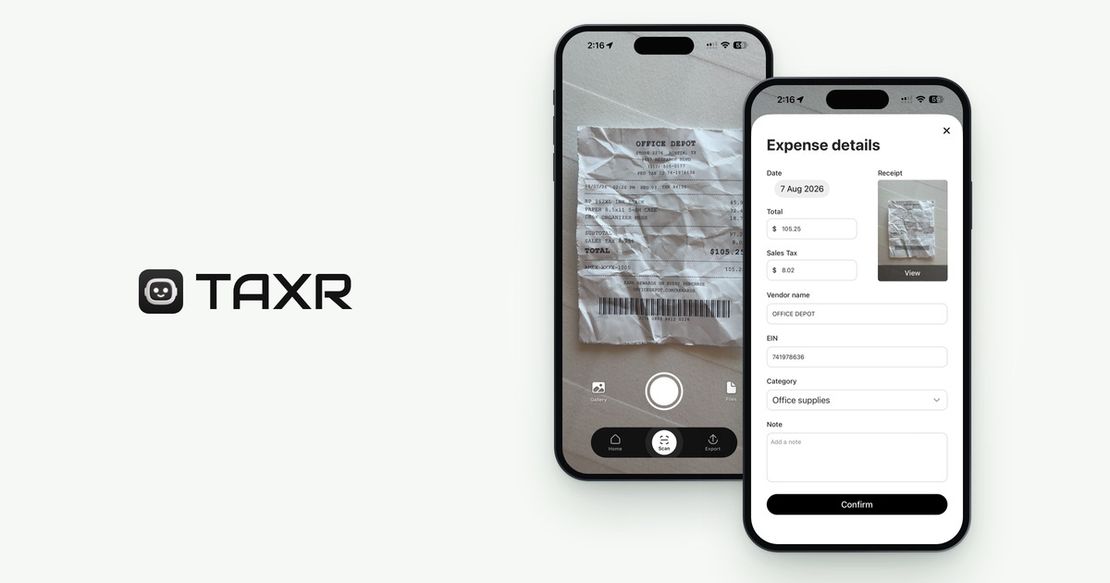
The honest answer to most of these questions is "it depends on the details", which is exactly why keeping a record of the business purpose at the time of purchase matters more than memorizing categories. Taxr scans your receipts, suggests a category for each one (you confirm it before it saves), and gives you a note field to record why an expense was a business one, so you're never trying to reconstruct the reasoning six months later.
Download Taxr and get answers you don't have to guess at next tax season.