
Taxr Team
We’re the team behind Taxr, an AI-powered receipt scanner and expense tracker designed to make tax season stress-free for small business owners, freelancers, and sole traders across Australia.
We built Taxr because we saw how much time Australians waste on manual expense tracking – hunting for faded receipts, manually entering data into spreadsheets, and scrambling to get everything organised before tax time. Taxr uses AI to handle the tedious parts so you can focus on running your business.
Our team combines expertise in mobile development, machine learning, and Australian tax compliance to build a product that understands the nuances of ABN, GST, and ATO expense categories. We’re based in Australia and focused on the Australian market, with expanding international support for GST, VAT, Sales Tax, and more across 195+ countries.
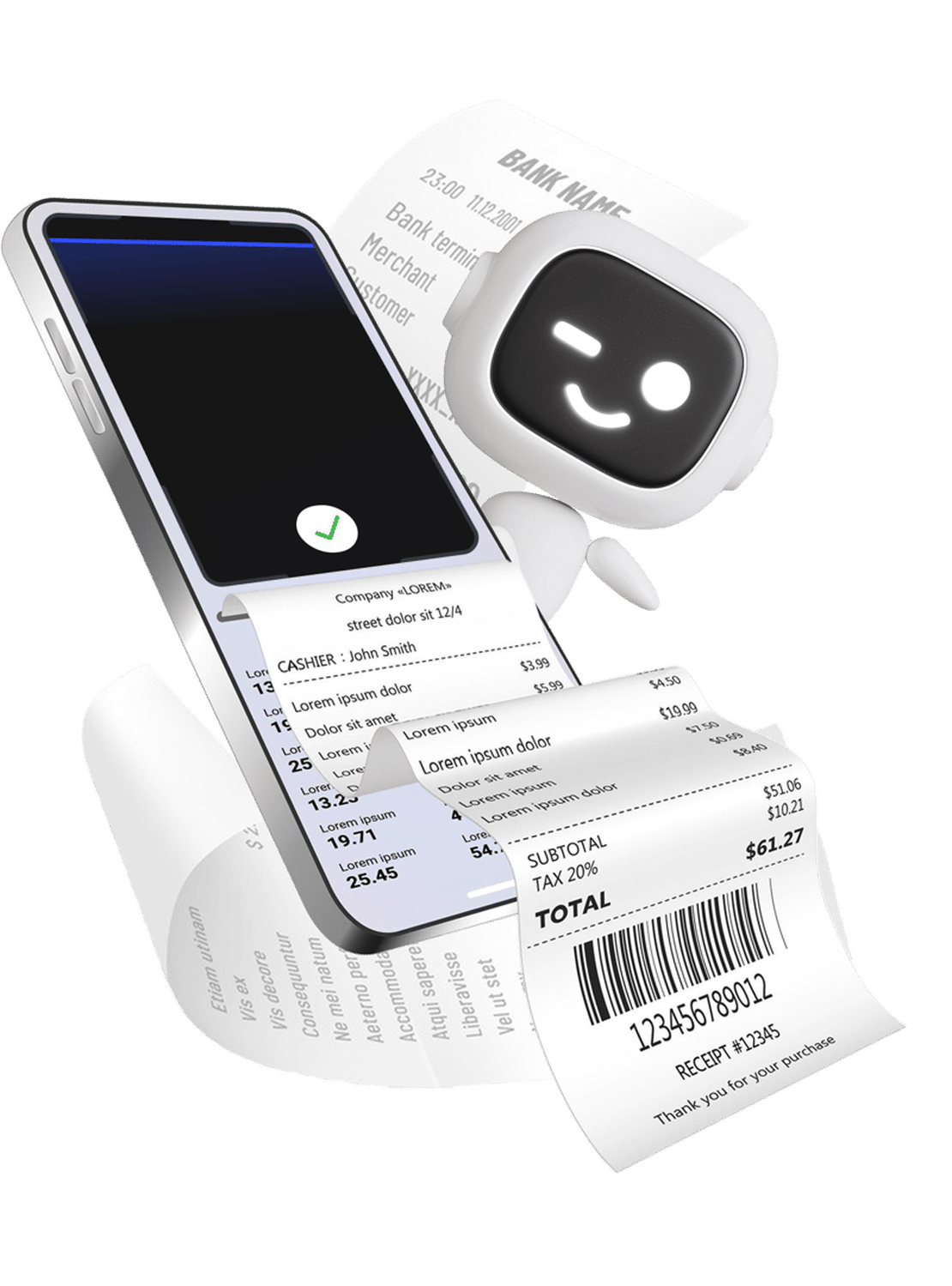
The Complete Guide to Scanning and Storing Receipts for Tax Compliance
If you’re claiming a tax deduction, you need the receipt to prove it. That’s the fundamental rule, and it hasn’t changed. What has changed is how you’re allowed to store that proof. The ATO now fully accepts digital copies of receipts, which means you don’t need to keep the physical paper – but the digital version needs to meet specific standards. This guide covers everything you need to know about scanning and storing receipts for tax compliance, from ATO requirements and what makes a valid receipt through to best practices for organising your digital records.
Read More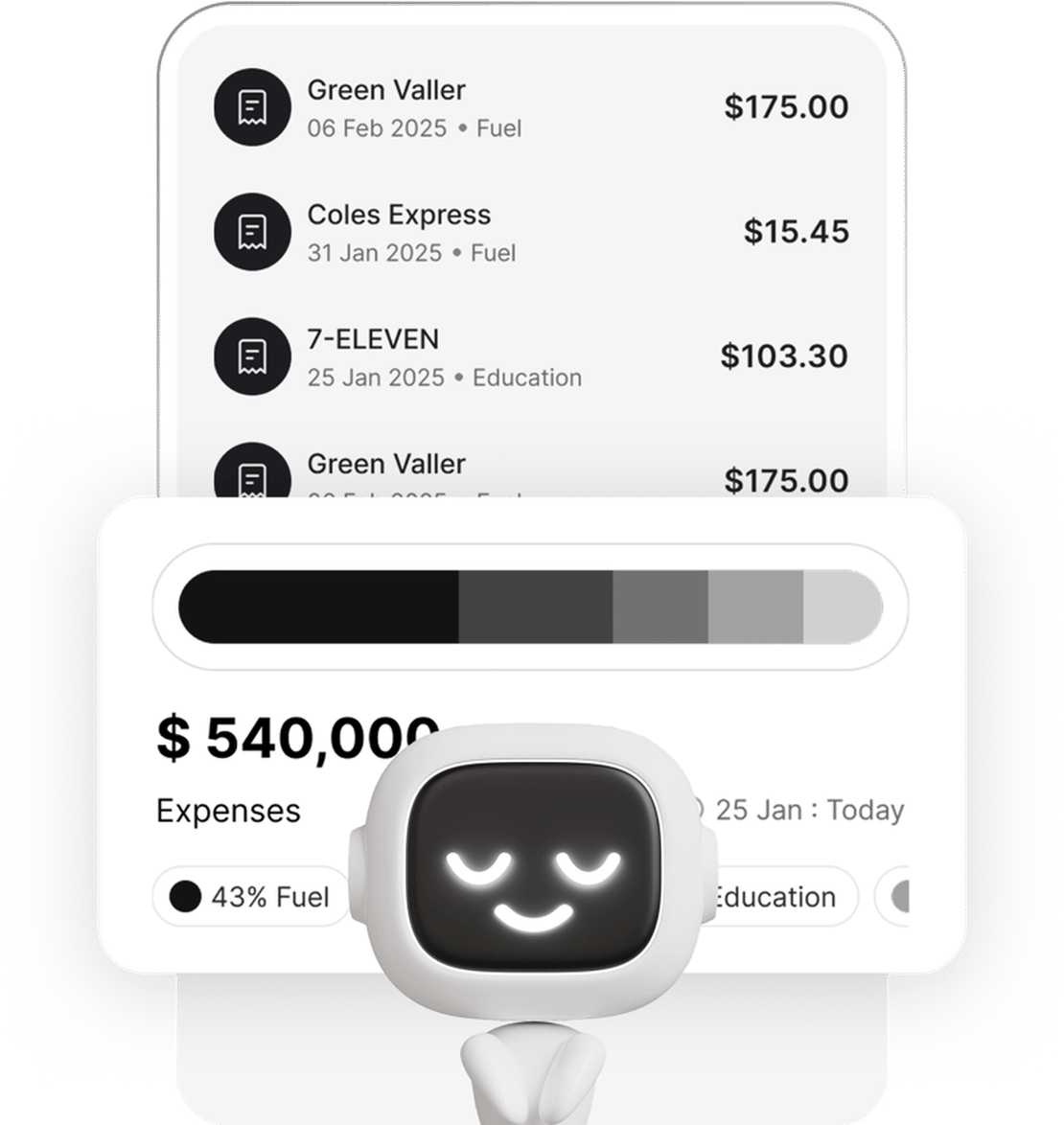
Spring Clean Your Finances: How to Audit a Year of Expenses in 30 Minutes
Most freelancers and sole traders think about their expenses exactly twice a year: when the BAS is due, and when their accountant asks for records at tax time. The rest of the year, receipts pile up, categories drift, and small errors compound into significant problems. A quick expense audit – a financial spring clean – can catch mistakes, recover missed deductions, and give you a clear picture of where your money is going. And it doesn’t take all day. You can do it in 30 minutes.
Read More
How Taxr Helps Accountants Save Hours on Client Expense Reports
Every accountant knows the drill. Tax time arrives and clients start handing over shoeboxes of crumpled receipts, half-organised spreadsheets, and vague explanations like “I think that one was for work.” The hours spent chasing missing receipts, deciphering faded thermal paper, and manually entering expense data are hours that could be spent on higher-value advisory work. By recommending Taxr to their clients, accountants can eliminate the most tedious part of tax preparation – and get cleaner, more complete data in return.
Read MoreHow to Prepare for US Tax Season as a Freelancer
Tax season doesn’t have to be a scramble. If you’re a freelancer in the United States, the weeks between January and April 15 are your window to gather documents, organize your expenses, review your deductions, and file your return without the stress that comes from leaving everything to the last minute. The freelancers who pay the least in taxes aren’t the ones who earn less – they’re the ones who prepare early and claim every deduction they’re entitled to.
Read MoreUK Self Assessment: Last-Minute Filing Guide Before January 31
It’s January, the UK Self Assessment deadline is days away, and you haven’t filed yet. Whether you’ve been putting it off, waiting for a missing document, or simply forgot – you’re not alone. HMRC data shows that hundreds of thousands of people file in the final week before the 31 January deadline, and tens of thousands file on the last day itself. The important thing is that you can still get it done. This is your step-by-step guide to filing your Self Assessment return before the deadline passes.
Read MoreTax Planning for the New Year: Start 2027 with Better Expense Habits
Every year, thousands of freelancers and sole traders make the same promise: this is the year I’ll stay on top of my expenses. And every year, most of them end up in a panicked scramble at the end of the financial year, sifting through bank statements, hunting for lost receipts, and wondering whether that dinner in March was a client meeting or a birthday celebration. Tax planning for the new year doesn’t require a radical overhaul – it requires a handful of practical habits, set up early, and followed consistently.
Read MoreInternational Freelancer Tax Guide: Managing Expenses Across AU, UK, and US
The rise of remote work has made international freelancing more accessible than ever. You might be an Australian designer picking up clients in London, a British copywriter billing a New York agency, or a US-based developer contracting for a Melbourne startup. The work itself is borderless – but the tax obligations are anything but. If you’re managing expenses across Australia, the UK, and the US, you need to understand how each country’s tax system works, where your obligations lie, and how to track expenses without drowning in complexity.
Read MoreUK Self Assessment Deadline: What You Need to Submit by January 31
The UK Self Assessment deadline falls on 31 January every year, and it applies to millions of self-employed individuals, freelancers, landlords, and higher-rate taxpayers across the country. If you need to file a Self Assessment tax return for the 2025/26 tax year, 31 January 2027 is your final date to both submit your return online and pay any tax you owe. Miss it, and you’ll face automatic penalties – even if you owe nothing.
Read MoreUK Self Assessment Tax Return: A Step-by-Step Guide for the Self-Employed
If you’re self-employed in the UK, filing a Self Assessment tax return is one of those annual obligations that can feel overwhelming – especially the first time. But the process is more straightforward than it appears, and once you’ve done it once, each subsequent year gets easier. This guide walks you through every step, from registration to payment, so you know exactly what to expect.
Read More5 Cash Flow Mistakes Small Businesses Make (and How to Fix Them)
Cash flow kills more small businesses than lack of customers ever will. Poor cash flow management is the leading cause of business failure in Australia. The pattern is common: a business has plenty of work, revenue looks healthy on paper – but there’s never enough money in the account when bills come due. The problem isn’t usually income. It’s how money is managed between earning it and spending it. Here are five cash flow mistakes that freelancers and sole traders make repeatedly, and how to fix each one.
Read MoreDigital Receipt Management vs Paper Receipts: Why the ATO Prefers Digital
If you’re still stuffing paper receipts into a shoebox, a drawer, or the glovebox of your car, you’re making tax time harder than it needs to be. Since 2012, the ATO has accepted digital copies of receipts as valid tax records – and in practice, they actually prefer them. Digital receipt management isn’t just a modern convenience; it solves nearly every problem that paper receipts create. This guide explains why paper receipts are failing you, what the ATO requires from digital records, and how to make the transition without losing anything.
Read MoreTax Deductions for Cleaners in Australia
If you work as a cleaner in Australia – whether you’re a sole trader running your own cleaning business, a subcontractor, or an employee – you’re likely spending a significant amount on supplies, travel, equipment, and insurance. Many of these costs are legitimate tax deductions for cleaners in Australia, and claiming them properly can make a real difference to your tax bill. This guide covers every major deduction category so you know exactly what you can claim.
Read MoreGST for Small Business: When to Register and How to Track It
GST registration is one of those decisions every Australian small business owner faces eventually. Some businesses must register, some choose to, and some are better off waiting. Getting it wrong – either registering too late or not registering when you should – can mean penalties from the ATO or missed opportunities to claim back GST on your business purchases. This guide walks you through the registration threshold, the pros and cons of voluntary registration, the registration process itself, and how to track GST properly once you’re registered.
Read MoreTax Deductions for Content Creators and YouTubers in Australia
Content creation in Australia has grown from a hobby into a legitimate profession for thousands of people. Whether you’re making YouTube videos, running a podcast, building a following on TikTok or Instagram, or producing educational courses, the costs of creating content are real – and most of them are tax deductible. This guide covers every major deduction category for content creators and YouTubers in Australia, including the critical distinction between a hobby and a business.
Read MoreBAS Lodgement Guide: How to Prepare Your Quarterly BAS
If you’re a sole trader or small business owner registered for GST in Australia, you need to lodge a Business Activity Statement every quarter. For many people, BAS time means stress – hunting for receipts, trying to remember which purchases included GST, and hoping the numbers add up. But preparing your quarterly BAS doesn’t have to be a scramble. With the right approach and consistent record-keeping, it can be a straightforward process that takes an hour or less.
Read MoreTax Deductions for Musicians and Artists in Australia
Whether you’re gigging on weekends, touring nationally, painting commissions, or teaching music lessons, the costs of being a creative professional in Australia add up quickly. Instruments, studio time, agent fees, travel, costumes, and supplies all eat into your income – but they’re also legitimate tax deductions for musicians and artists in Australia. This guide covers every major deduction category and some unique tax rules that apply specifically to creative professionals.
Read MoreSetting Up Your Expense Tracking for the New Financial Year
Every July, millions of Australian sole traders and freelancers get a fresh start. The new financial year is your chance to fix the habits that made last EOFY painful and set up a system that keeps you organised for the next twelve months. Whether last year was a scramble of lost receipts and late-night spreadsheet marathons or a reasonably smooth ride, a few hours of setup now will save you days of stress next June. Here’s how to set up your expense tracking for the new financial year so that next EOFY is the easiest one yet.
Read MoreTax Deductions for Personal Trainers in Australia
Personal training is a physically demanding profession – but it’s also an expensive one. Between gym rent, equipment, certifications, insurance, and travel between clients, the costs stack up fast. The good news is that most of those costs are legitimate tax deductions for personal trainers in Australia, and claiming them properly can put thousands of dollars back in your pocket each year. This guide breaks down every major deduction category so you know exactly what to claim.
Read MoreTax Deductions for Freelance Photographers in Australia
Freelance photographers in Australia invest heavily in gear, software, travel, and marketing – and most of those costs are tax-deductible. Whether you shoot weddings, commercial work, real estate, portraits, or events, understanding the full range of tax deductions for freelance photographers in Australia can save you thousands of dollars each year. This guide covers every major deduction category so you can keep more of your creative income.
Read MoreTax Deductions for Teachers in Australia
Teachers in Australia are famously generous with their own money – spending hundreds of dollars each year on classroom supplies, resources, and professional development out of their own pockets. The good news is that these costs are tax-deductible, but many teachers only claim the obvious expenses and miss out on legitimate deductions worth hundreds of dollars. This guide covers every major tax deduction for teachers in Australia, from classroom supplies to home office claims.
Read MoreTax Deductions for Nurses and Healthcare Workers in Australia
Nurses, midwives, doctors, allied health professionals, and other healthcare workers in Australia are often entitled to more tax deductions than they realise. Between uniforms, registration fees, continuing professional development, and travel between workplaces, the costs of working in healthcare add up – and many of them are tax-deductible. This guide covers every major tax deduction for nurses and healthcare workers in Australia so you can keep more of what you earn.
Read MoreVehicle and Travel Expense Deductions: The ATO's Rules Explained
Vehicle and travel expenses are some of the most commonly claimed deductions in Australia – and some of the most commonly disallowed. The ATO scrutinises car claims closely, and getting the rules wrong can mean lost deductions, amended returns, or penalties. Whether you drive to client sites, travel between workplaces, or carry heavy tools in your ute, understanding the ATO’s rules for vehicle and travel expense deductions is essential to claiming what you’re entitled to – and nothing more.
Read MoreHow to Export Your Expenses for Your Accountant in Minutes
There’s a moment every sole trader dreads: sitting down with a year’s worth of receipts and trying to make sense of them before handing them to an accountant. You know the receipts are somewhere – some in a shoebox, some in your phone’s camera roll, some in email. But turning that mess into something your accountant can actually work with feels like a full-time job. It doesn’t have to be this way. With a bit of structure and the right tools, you can export your expenses for your accountant in minutes, not days.
Read MoreTax Deductions for Real Estate Agents in Australia
Real estate agents in Australia spend heavily on vehicles, phones, marketing, and professional development – but many don’t claim everything they’re entitled to. Whether you’re a salaried agent, a commission-only salesperson, or running your own agency, understanding the full range of tax deductions for real estate agents in Australia can make a significant difference to your bottom line. This guide covers every major category.
Read MoreEOFY Deadline: What Happens If You Lodge Your Tax Return Late in Australia
Every year, thousands of Australians miss the deadline to lodge their tax return – and many don’t realise the consequences until an ATO penalty notice lands in their inbox. If you’re wondering what happens when you lodge your tax return late in Australia, the answer depends on how late you are, whether you owe money, and what steps you take to fix it.
Read MoreTax Deductions for IT Contractors in Australia
If you’re an IT contractor in Australia – whether you’re a software developer, systems engineer, data analyst, or cybersecurity consultant – you’re likely spending a significant amount on software, hardware, internet, and professional development. The good news is that most of these costs are tax-deductible. This guide covers every major tax deduction for IT contractors in Australia so you can keep more of your contract income.
Read MoreHow to Organise Your Receipts Before Sending Them to Your Accountant
If you’ve ever handed your accountant a plastic bag full of crumpled receipts, a shoebox of paper slips, or a folder of 200 unnamed photos on your phone, you already know the look they give you. The bigger problem isn’t the look – it’s the bill. When you don’t organise receipts for your accountant properly, you pay more in fees, risk missing deductions, and make the entire process slower and more painful than it needs to be.
Read More17 Tax Deductions Australian Freelancers Miss Every Year
Australian freelancers leave thousands of dollars on the table every tax season. The reason isn’t ignorance – it’s that many legitimate tax deductions Australian freelancers miss are small, easy to overlook, or fall into categories people don’t realise they can claim. Over a full year, those missed $15 subscriptions, $40 professional memberships, and forgotten bank fees add up to real money.
Read MoreLast-Minute US Tax Filing Tips for Freelancers
The April deadline is days away, and if you’re a freelancer who hasn’t filed yet, you’re not alone. Millions of self-employed workers scramble every year to pull together their US tax filing tips for freelancers searches, 1099 forms, and deduction records before the clock runs out. The good news: last-minute doesn’t have to mean sloppy. With the right approach, you can still file accurately, claim what you’re owed, and avoid costly penalties.
Read MoreInstant Asset Write-Off: What Small Businesses Can Claim in 2026
With the end of the financial year approaching, now is the time to think about whether you can use the instant asset write-off to reduce your tax bill. This scheme lets eligible Australian small businesses deduct the full cost of an asset immediately – rather than depreciating it over several years. If you’ve been putting off buying that new laptop, piece of equipment, or work vehicle, understanding the instant asset write-off could save you thousands before June 30.
Read More5 Tax Deduction Tips Every Freelancer Should Know
As a freelancer in Australia, maximising your tax deductions can make a significant difference to your bottom line. Many freelancers miss out on hundreds or even thousands of dollars in legitimate deductions simply because they don’t know what they can claim or don’t keep proper records. Here are five essential tips to help you claim everything you’re entitled to.
Read MoreEOFY Tax Checklist for Freelancers: Get Ready for June 30
The end of the financial year is approaching, and for freelancers, that means it’s time to get organised. This EOFY tax checklist for freelancers covers everything you need to do before June 30, 2026 to maximise your deductions, avoid last-minute panic, and make lodgement as painless as possible. Whether you’re a seasoned sole trader or filing your first freelancer return, work through this list now and you’ll thank yourself in July.
Read MoreGST Calculator Australia
Need a quick GST calculator Australia businesses can rely on? This free tool lets you add or remove 10% GST from any amount in seconds. Whether you’re preparing an invoice, checking a supplier bill, or reconciling your BAS figures, just enter your amount and get an instant breakdown of the GST-exclusive price, the GST component, and the GST-inclusive total.
Read MoreHome Office Deduction Calculator Australia
Working from home is now the norm for millions of Australians, yet many freelancers and remote workers still leave money on the table because they aren’t sure how much they can claim. This free home office deduction calculator Australia tool does the maths for you – enter your hours and, optionally, your actual running costs, and instantly see which ATO method produces the bigger deduction.
Read MoreHow AI Receipt Scanning Works (And Why It Beats Manual Entry)
The AI receipt scanner has fundamentally changed how freelancers and small business owners handle their expenses. What used to involve typing numbers into spreadsheets, squinting at faded thermal paper, and sorting through shoeboxes of crumpled receipts now takes a few seconds and a phone camera. But how does it actually work? And why is it genuinely better than doing it by hand? This post breaks down the technology behind AI receipt scanning and explains what happens between the moment you take a photo and the moment your expense is logged.
Read MoreTaxr for Accountants: Simplify Client Expense Management
The biggest time sink in tax preparation isn’t the technical work – it’s chasing clients for receipts and manually entering expenses. You know the pattern: lodgement deadline approaches, you ask your client for their records, and you receive a shoebox of crumpled paper, a folder of blurry phone photos, and a sheepish “I think I lost a few.” What if your clients did the data entry themselves, accurately, throughout the year?
Read MoreTaxr for Freelancers: Track Expenses, Maximise Deductions
If you’re a freelancer, your time is your product. Every hour spent copying receipt details into a spreadsheet or wrestling with enterprise accounting software is an hour you’re not earning. You don’t need a tool designed for a company with fifty employees and a finance department – you need something that fits the way you actually work: fast, mobile, and built for one person doing everything.
Read MoreTaxr for Gig Workers: Track Every Deductible Expense
The gig economy has changed the way millions of people work. Whether you drive for Uber, deliver for DoorDash, pick up tasks on Airtasker, or freelance through platforms like Upwork and Fiverr, you’re running a business – even if it doesn’t feel like one. That means you’re entitled to claim tax deductions on your work-related expenses, and most gig workers leave thousands of dollars on the table every year because they don’t track them properly. If you’re not keeping receipts, you’re not claiming what you’re owed.
Read MoreTaxr for Sole Traders: Expense Tracking Made Simple
Running a business as a sole trader means you’re the salesperson, the project manager, the customer support team, and the accountant. You wear every hat, and somehow bookkeeping always ends up at the bottom of the pile. The problem is, ignoring your expenses doesn’t make them go away – it just means you pay more tax than you should and spend your weekends in July trying to reconstruct a year’s worth of spending from bank statements and memory.
Read MoreTaxr vs ATO myDeductions: Which Is Better for Tracking Expenses?
If you’re a freelancer or sole trader in Australia trying to decide between Taxr vs ATO myDeductions, you’re not alone. Both tools help you track expenses for tax time, but they take very different approaches. myDeductions is the ATO’s free, built-in record-keeping feature – simple, accessible, and backed by the tax office itself. Taxr is an AI-powered receipt scanner designed to automate the parts of expense tracking that eat up your time. In this comparison, we’ll walk through what each tool does, where they differ, and which one fits your situation best.
Read MoreTaxr vs Dext: Which Receipt Scanner Is Right for You?
If you’re comparing Taxr vs Dext for receipt scanning and expense tracking, you’re looking at two very different tools built for very different users. One is designed for accounting firms managing hundreds of clients; the other is built for individual freelancers and sole traders managing their own expenses. Understanding which camp you fall into will save you both time and money.
Read MoreTaxr vs Expensify: Which Expense Tracker Is Right for Freelancers?
If you’re a freelancer or sole trader looking for an expense tracker, Taxr vs Expensify is a comparison worth exploring. Both apps scan receipts and track expenses, but they’re built for very different users. Expensify grew out of enterprise expense reporting and scaled down for smaller teams. Taxr was built from scratch for individual freelancers and sole traders who need tax-ready records without the overhead of team-based features they’ll never use.
Read MoreTaxr vs Spreadsheets: Why Manual Expense Tracking Costs You Money
Most freelancers and sole traders start tracking expenses the same way: a spreadsheet. Maybe it’s an Excel file on your desktop, maybe it’s a Google Sheet you share with your accountant. It feels free, flexible, and familiar. But is your expense tracker vs spreadsheet decision actually saving you money – or quietly costing you thousands?
Read MoreSole Trader vs Company in Australia: Which Structure Is Right for You?
Choosing between operating as a sole trader vs company in Australia is one of the first decisions freelancers and small business owners face – and it’s one that affects your tax bill, your legal exposure, and how much paperwork you deal with every year. There’s no universally correct answer. The right structure depends on your income level, your risk tolerance, and your plans for the business. This guide breaks down both options so you can make an informed choice.
Read MoreABN Expense Tracker: Separating Business and Personal Spending
If you have an ABN and you’re earning income as a freelancer or sole trader, you need an ABN expense tracker that keeps your business spending cleanly separated from your personal life. This isn’t just good practice – it’s an ATO requirement, and getting it wrong is one of the fastest ways to trigger an audit. In this guide, we’ll walk through why separation matters, what the ATO expects, and the simplest way to stay on top of your deductible expenses throughout the year.
Read MoreGST Receipt Tracking: The Easiest Way to Stay BAS-Ready
If you’re registered for GST in Australia, you already know the quarterly BAS cycle can be stressful. Every three months, you need to report your sales, purchases, and GST amounts – and if your records aren’t organised, you’re either scrambling to find receipts or leaving GST credits unclaimed. A GST receipt tracking app takes the pain out of this process by capturing, categorising, and calculating your GST as you go, so when BAS time arrives, the hard work is already done.
Read MoreMaking Tax Digital for Self-Employed: What You Need to Know in 2026
If you’re self-employed in the UK, Making Tax Digital self-employed 2026 is no longer a future concern – it’s here. From April 2026, HMRC requires self-employed individuals and landlords earning above a certain threshold to keep digital records and submit quarterly updates using compatible software. This is the biggest change to UK tax reporting in decades, and if you’re in scope, you need to understand what’s required and how to prepare. This guide covers everything you need to know.
Read MoreHome Office Deduction Calculator: How to Claim in Australia
If you work from home – whether full-time as a freelancer or a few days a week as a remote employee – you’re likely entitled to claim a home office deduction in Australia. The question is how much, and which calculation method gives you the best result. This home office deduction calculator guide walks you through both methods with real numbers so you can work out which one puts more money back in your pocket.
Read MoreHow to Track Business Expenses as a Sole Trader
If you’re a sole trader in Australia, learning how to track business expenses is one of the most important things you can do for your business. It’s not glamorous work, but it directly affects how much tax you pay, how confidently you lodge your BAS, and whether you sleep soundly if the ATO ever comes knocking. The good news is that with the right system, it doesn’t have to be complicated or time-consuming.
Read MoreBest Receipt Scanner App for Taxes in 2026
Choosing the best receipt scanner app 2026 has to offer can feel overwhelming – there are dozens of options, and they all promise to simplify your expense tracking. But for freelancers and sole traders who need accurate records for tax time, not every app is created equal. Some are built for large enterprises, others lack basic features like OCR, and many charge premium prices for functionality you may never use. In this guide, we compare the top receipt scanner apps available right now and help you find the right fit.
Read MoreFreelancer Expense Categories Explained: A Simple Breakdown
Understanding freelancer expense categories is one of those things that seems straightforward until you actually sit down with a pile of receipts and try to sort them. Does that new monitor go under “Office Equipment” or “Computer Expenses”? Is your Canva subscription “Software” or “Marketing”? And what about that coffee you bought while meeting a client? Getting your categories right matters – it affects your tax return, your BAS, and how clearly you understand where your money is actually going.
Read MoreThe Best ATO myDeductions Alternative for 2026
If you’ve been using the ATO app to log your work expenses, you’ve probably wondered whether there’s a better ATO myDeductions alternative out there. The short answer: there is. The ATO’s built-in tool was a solid first step toward digital record-keeping, but it hasn’t kept pace with what freelancers and sole traders actually need in 2026. In this post, we’ll break down where myDeductions falls short and what to look for in a smarter replacement.
Read MoreTax Deductions Every Tradie Should Know in Australia
Whether you’re a sparkie, chippie, plumber, or painter, you’re probably spending thousands of dollars a year on tools, fuel, workwear, and insurance – all of which can reduce your tax bill. Tax deductions for tradies in Australia are generous, but only if you know what you’re entitled to and keep the receipts to back it up. This guide covers every major deduction category so you can keep more of what you earn.
Read More1099 Expense Tracking: A Guide for US Freelancers
If you’re a freelancer in the United States receiving 1099 income, 1099 expense tracking is not optional – it’s the difference between paying thousands more in taxes than you need to and keeping more of what you earn. Unlike W-2 employees, no one withholds taxes for you. No one organizes your deductions. It’s all on you, and the IRS expects detailed records to back up every claim you make.
Read MoreTax Deductions for Freelance Graphic Designers in Australia
Freelance graphic designers in Australia have a surprisingly long list of tax deductions available to them – but many creatives only claim the obvious ones and miss out on legitimate claims worth hundreds of dollars. If you’re a freelance designer earning income from your creative work, this guide covers the full range of tax deductions graphic designers in Australia can claim to reduce their tax bill.
Read MoreTax Deductions for Rideshare Drivers in Australia: The Complete Guide
If you drive for Uber, Ola, DiDi, or any other rideshare platform in Australia, you’re running a small business – and that means you can claim a wide range of tax deductions for rideshare drivers in Australia. The trouble is, most drivers leave money on the table because they don’t realise what’s claimable or they don’t keep proper records. This guide covers every deduction you should know about.
Read More